
How Often Should a Cesspit Be Emptied? | UK Homeowner Guide 2025
If your property relies on a cesspit, one of the most important parts of managing it is knowing how often it needs to be emptied. Unlike septic tanks, which separate waste and drain treated water into the ground, a cesspit is a completely sealed storage tank. That means every litre of wastewater from your home: showers, toilets, sinks, washing machines all stay inside until it’s pumped out.
Because nothing leaves the tank, cesspits fill quickly. Most UK households need their cesspit emptied every 4–8 weeks, and many settle into a routine of every 4–6 weeks to stay safe and compliant. Waiting for smells, slow drains or an overflow is a risky and expensive mistake; by the time those symptoms appear, the tank is already close to, or past capacity.
This guide explains how often you should empty a cesspit, the factors that affect its fill rate, and how to create a safe, reliable schedule for your home. If you’re based in Hereford, Monmouth or South Wales, Morgan’s Septic Tank Waste provides licensed cesspit emptying to help you avoid overflows, odours and hefty emergency call-outs.
What is a cesspit?
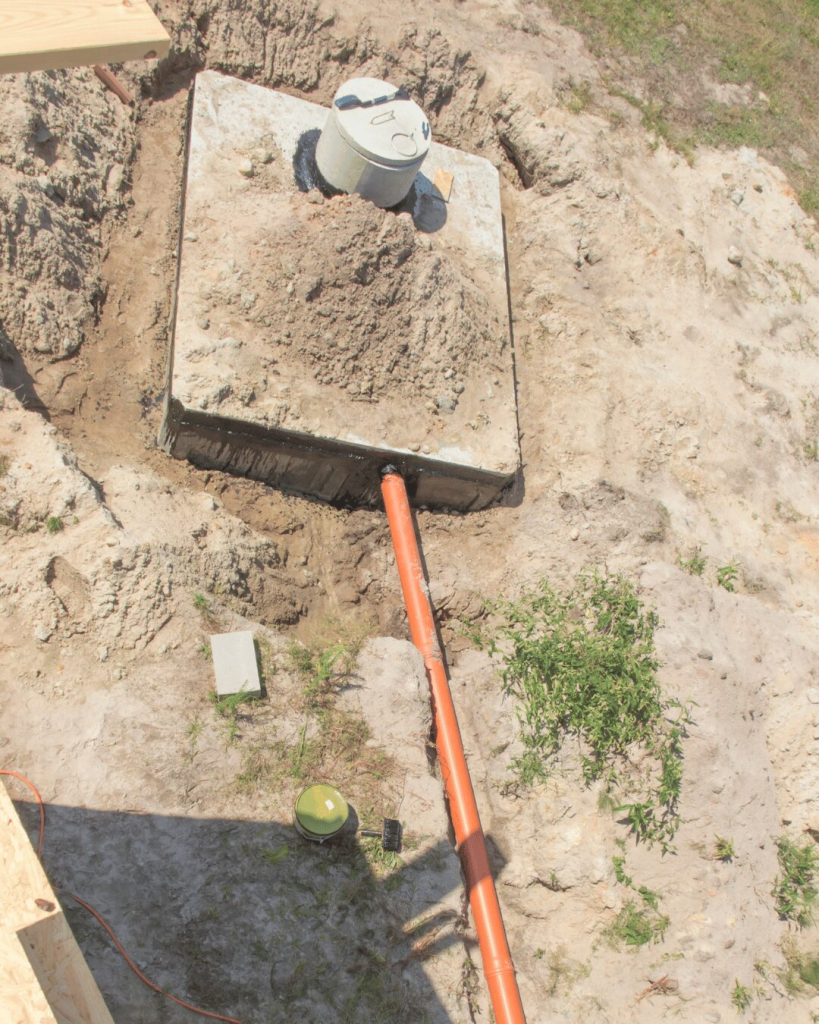
A cesspit (also known as a cesspool) is a sealed, underground holding tank designed to store all sewage and wastewater from a property. It has no outlet, no drainage field, and no treatment process, it simply collects waste until it is emptied by a vacuum tanker. This makes cesspits very different from septic tanks, which separate solids and discharge treated effluent into a soakaway, allowing them to go years between emptying.
Because cesspits store everything, they fill up far faster. A family of four can easily produce 500–600+ litres of wastewater per day, which means a standard 18,000–24,000 litre cesspit can reach 75% capacity in just a few weeks. That’s why regular emptying isn’t optional, it’s an essential, ongoing part of owning a property with a cesspit.
Cesspits are still common across rural parts of the UK where properties aren’t connected to the mains sewer and where the ground isn’t suitable for a drainage field. They’re legal, but they come with strict responsibilities: they must be watertight, well-maintained and emptied often enough to prevent pollution or overflow.
How Often Should a Cesspit Be Emptied?
Most UK cesspits need emptying every 4–8 weeks, with many households settling into a routine of every 4–6 weeks to stay well below the maximum safe level. Because a cesspit is a sealed tank with no outlet, all wastewater remains inside, meaning it fills significantly faster than a septic tank.
Industry examples support this timeframe. If a family home uses around 150 litres of water per person per day, a 24,000-litre cesspit serving four people can reach capacity in roughly 40 days. That works out at about 5–6 weeks between emptying visits, which matches the schedules recommended by many UK drainage companies.
For lightly used properties, such as holiday homes or part-time residences, the interval can be longer, sometimes several months, but only if the tank is monitored closely. The safest approach for homeowners is to start with a conservative 4–6 week schedule, monitor how quickly the tank fills, and adjust over time using tanker records and measured levels.
A key rule applies to all cesspits:
Never let the tank exceed around 75% capacity.
Going beyond this point increases the risk of smells, backing up, structural strain, and dangerous overflows.
Key Factors That Affect How Often You Need to Empty
Although the typical range is 4–8 weeks, several variables influence how quickly a cesspit fills. Understanding these helps homeowners set a safe and cost-effective emptying routine.
Tank size and capacity
Domestic cesspits generally range from 18,000 to 45,000 litres. Larger tanks will last longer between empties, but even the biggest cesspits still require close monitoring because every drop stays inside. Emptying should always be scheduled before the tank reaches about three-quarters full.
Number of occupants
Occupancy is one of the biggest factors. A cesspit used by a single person may last considerably longer than one serving a family of five. Modern UK water-use estimates put daily consumption at 142–150 litres per person, so the more people in the home, the faster the tank fills.
Water-use habits
Showers, baths, washing machines, dishwashers, power showers and general household routines all affect inflow. Homes with high water usage will need more frequent emptying. Conversely, water-saving habits: such as shorter showers, low-flush toilets and efficient appliances can extend the interval between visits.
Property type and occupancy patterns
Holiday homes or seasonally used properties fill more slowly, as long as they’re checked before and after busy periods. HMOs, multi-occupancy homes or small businesses relying on a cesspit generally need emptying more often due to heavier daily flows.
Age and condition of the tank
Older cesspits may not meet modern sizing or construction standards. Some may have reduced effective volume due to wear, sludge build-up or structural issues. If the tank size isn’t known, drainage companies often advise starting with a monthly emptying schedule until a pattern is established.
Warning Signs Your Cesspit Needs Emptying Sooner
Even with a regular schedule, cesspits can sometimes fill faster than expected. When this happens, the system will usually show early warning signs, and they shouldn’t be ignored. By the time these symptoms appear, the tank is often already close to full.
One of the first indicators is slow drainage. Showers that pool, sinks that take longer to clear, or toilets that hesitate before flushing all suggest the cesspit is approaching capacity. You may also hear gurgling noises from the plumbing system as trapped air struggles to move through restricted pipework.
Smells are another common warning sign. If you notice unpleasant odours around the garden, driveway or near the cesspit access cover, it can mean the tank is nearing its limit. In more serious cases, you might see wet patches, unusually green grass, or pooling liquid above the tank, all of which point to leakage or imminent overflow.
The most severe sign is wastewater backing up into the home. This is a health hazard, often costly to fix, and can trigger environmental or regulatory issues if wastewater contaminates surrounding land. Homeowners should never wait for these symptoms to develop; a cesspit should always be emptied before problems start.
UK Legal and Environmental Responsibilities
Owning a cesspit in the UK comes with clear legal obligations. Because a cesspit is a sealed unit and holds every litre of wastewater generated by the property, it must be maintained in a way that prevents leaks, contamination or overflow. If a cesspit fails and impacts the environment, the homeowner is legally responsible, and enforcement action can follow.
UK rules state that cesspits must be emptied by a licensed waste carrier, using approved tankers that dispose of the waste at authorised treatment facilities. This ensures the waste is handled safely and prevents pollution. Homeowners should never attempt to empty a cesspit themselves as it’s dangerous and illegal to transport untreated sewage without the correct permits.
Cesspit owners must also keep the system in good repair. That includes making sure the tank is watertight, regularly serviced, and emptied often enough to avoid nuisance or environmental harm. Regulatory bodies can request records of emptying and disposal, so it’s good practice to keep a simple log of dates and volumes removed.
Staying on top of these responsibilities protects your property, your local environment and your legal compliance, all reasons why keeping to a consistent emptying schedule is so important.
How to Work Out a Safe Emptying Schedule
Because every home uses water differently, the best way to determine how often your cesspit should be emptied is to base your schedule on its capacity, your daily water use, and how many people live in the property. A simple calculation can give you a realistic estimate, and it’s easier than most homeowners expect.
Start by confirming the size of your cesspit. Many domestic tanks range from 18,000 to 45,000 litres, but older properties may have non-standard volumes. If you’re unsure, a drainage company can usually identify the size or estimate it based on emptying volumes.
Next, estimate your daily wastewater output. UK averages sit around 142–150 litres per person per day, so a family of four typically produces around 568 litres of wastewater every 24 hours. If you divide your tank capacity by the daily inflow, you’ll get a rough idea of how many days it takes to fill.
For example, a 20,000-litre cesspit receiving 568 litres per day would reach capacity in around 35 days. Because a cesspit should never exceed about 75% full, this means emptying every 4–5 weeks is the safest interval.
Once you’ve established a baseline, you can refine the schedule by keeping a simple log of emptying dates and tanker volumes. Over a few cycles, you’ll build a clear picture of how quickly your tank fills, allowing you to book emptying visits confidently and prevent problems before they start.
Why Regular Emptying Matters
Routine cesspit emptying isn’t just a maintenance task, it’s essential for protecting your home, the environment and your wallet. A cesspit that’s allowed to become too full can lead to some very serious consequences, often without much warning.
Staying ahead of the fill level prevents overflows and contamination, two of the biggest risks associated with poorly maintained cesspits. When wastewater escapes into soil or groundwater, the cleanup can be costly, and homeowners may face legal consequences if pollution occurs.
Regular emptying also avoids structural strain on the tank. Excess internal pressure can cause cracking, joint failure or leaks, especially in older cesspits that may not meet modern construction standards. Repairing or replacing a damaged cesspit is far more expensive than keeping up with regular pump-outs.
From a practical perspective, planned visits are always cheaper and more convenient than emergency call-outs. Sticking to a fixed interval reduces the chance of sudden smells, slow draining, pipe gurgling or backups inside the property are all common signs of a cesspit that’s too full.
Homeowners who keep a simple record of emptying dates and volumes benefit twice: they refine their schedule accurately and have clear evidence of compliance if regulators ever ask for documentation.
Treating cesspit emptying as routine, preventative maintenance, not a last-minute reaction, is the best way to protect your property and prevent costly surprises.
Professional Emptying and Safety
Cesspit emptying is a job that must always be carried out by a licensed waste carrier. A cesspit contains raw, untreated sewage, and handling or transporting it without the correct equipment and permits is both dangerous and illegal. Professional drainage companies use vacuum tankers specifically designed to remove waste safely and transport it to an approved treatment facility.
A typical emptying visit is straightforward. The engineer will lift the access cover, insert a suction hose, and pump out the contents of the cesspit using a high-capacity vacuum tanker. Once the tank is empty, they may carry out a quick visual inspection to check for signs of structural damage, infiltration, or unusual wear. Many providers (including Morgan’s Septic Tank Waste) also offer recurring scheduled visits, which help homeowners maintain a reliable routine without the risk of overfilling.
Scheduled emptying has two major benefits: it avoids emergency situations, and it ensures you always stay compliant with UK waste regulations. Professional emptying also means the waste is handled responsibly, with full traceability and disposal records available should regulators ever request them.
Cesspit vs Septic Tank: Simple Comparison Table
A brief comparison helps homeowners understand why cesspits need emptying so much more frequently than septic tanks. Here’s a clear, reader-friendly breakdown:
| System Type | How It Works | Typical Emptying Frequency | Key Point for Homeowners |
|---|---|---|---|
| Cesspit (Cesspool) | A sealed, underground tank that stores all wastewater and sewage with no outlet or soakaway. | Usually every 4–8 weeks; many homes use a 4–6 week routine. | Must be monitored closely. Never allow level to exceed 75% capacity. Requires licensed emptying only. |
| Septic Tank | Separates solids from liquids; discharges partially treated effluent into a drainage field. | Typically every 1–5 years, depending on usage and tank size. | Slower fill rate, but still requires regular desludging to avoid system failure. Not suitable for properties without a compliant soakaway. |
This simple comparison highlights just how different a cesspit is from a septic tank and why cesspit owners must stay proactive with their emptying schedule.
Owning a property with a cesspit means staying on top of one essential responsibility: regular emptying. Because a cesspit stores every drop of wastewater from your home, it fills quickly and must never be allowed to reach full capacity. For most UK households, this means arranging a scheduled emptying every 4–8 weeks, with many finding that 4–6 weeks is the safest and most reliable routine.
A consistent schedule protects your home from smells, slow drains, structural damage, and the risk of dangerous overflows. It also helps ensure you remain compliant with UK waste regulations and avoid the costly clean-ups that often follow an unexpected backup.
For homeowners across Hereford, Monmouth and South Wales, Morgan’s Septic Tank Waste provides licensed cesspit emptying, reliable scheduling options, and safe disposal, helping you keep your system under control and your property protected all year round.
Get in touch
Contact Morgan’s Septic Tank Waste today for a free quote or to schedule your service.
Frequently Asked Questions About Cesspit Emptying
How often should a cesspit be emptied?
Most UK cesspits need emptying every 4–8 weeks, with many family homes sticking to a 4–6 week schedule. The exact interval depends on tank size, household water use and occupancy.
What’s the difference between a cesspit and a septic tank?
A cesspit is a sealed tank that stores all wastewater until it’s pumped out.
A septic tank separates solids and discharges treated effluent into the ground via a drainage field, so it fills much more slowly and only needs emptying every 1–5 years.
Can I let my cesspit fill up completely?
No. A cesspit should never exceed around 75% capacity. Beyond this point, the risk of leaks, smells, backups and structural strain rises sharply.
How do I know my cesspit needs emptying?
Warning signs include slow drainage, gurgling pipes, strong smells, wet patches above the tank and — in severe cases — wastewater backing up into the property.
How do I work out the right emptying schedule?
Start with a 4–6 week interval and adjust based on how quickly the tank fills. You can estimate fill rate using tank size and typical water use (around 142–150 litres per person per day).
Is cesspit emptying a legal requirement in the UK?
Yes. Cesspits must not overflow or leak, and they must be emptied by a licensed waste carrier. Regulators can request disposal records.