Why Is My Septic Tank Blocked?
A blocked septic tank is one of the most stressful problems a homeowner can face. Slow drains, unpleasant smells, gurgling pipes or even sewage backing up into the house can quickly turn from an inconvenience into a serious health and environmental concern. What often surprises people is that septic tank blockages rarely happen overnight, they usually build up over time due to everyday use, maintenance issues, or hidden faults in the system.
Understanding why your septic tank is blocked is the first step toward fixing the problem properly and preventing it from happening again. In this guide, we’ll explain the most common causes of septic tank blockages, the warning signs to watch for, and the practical steps to take if you suspect something isn’t right. For homeowners across Hereford, Monmouth and South Wales, Morgan’s Septic Tank Waste regularly helps diagnose and resolve septic tank issues before they escalate into costly emergencies.
What Does “Blocked” Mean in a Septic System?
When people say their septic tank is “blocked,” they’re usually describing symptoms rather than a single fault. Unlike a sink or toilet, a septic system is made up of several connected parts, the tank itself, the inlet and outlet pipes, and the drainage field. A restriction in any of these areas can cause wastewater to back up and behave like a blockage.
Inside the tank, solids settle to the bottom as sludge while fats and grease float to the top as scum. If these layers are allowed to build up too much, they can restrict the flow of wastewater leaving the tank. In other cases, the outlet pipe may be obstructed, or the drainage field may be saturated and unable to absorb effluent, forcing waste back toward the property.
This is why septic blockages often show up as slow drains, gurgling noises or smells rather than a sudden, complete stop. Identifying where the blockage is occurring, in the tank, the pipework or the drainage field, is essential, as each cause requires a different solution.
Common Reasons Septic Tanks Become Blocked
In most cases, a septic tank becomes blocked because the system can no longer move wastewater through it efficiently. This usually happens gradually, as everyday use puts strain on the tank, pipework, or drainage field over time.
One of the most common causes is sludge and scum build-up inside the tank. As wastewater enters the system, heavier solids sink to the bottom while fats, oils and grease float to the top. If the tank isn’t emptied often enough, these layers thicken and reduce the space available for liquid wastewater to flow through. Eventually, solids can be pushed toward the outlet pipe, restricting flow and causing backups into the property.
Another major contributor is flushing inappropriate items. Septic systems are designed to handle human waste and septic-safe toilet paper only. Items such as wet wipes, cotton buds, sanitary products, nappies and excessive kitchen grease don’t break down properly. Instead, they clog inlet and outlet pipes, interfere with settling inside the tank, and dramatically increase the risk of blockages.
Problems can also develop beyond the tank itself. A saturated or failing drainage field prevents treated effluent from soaking into the ground as intended. This can happen due to poor soil conditions, prolonged wet weather, ground compaction, or simple overloading from high water use. When the drainage field can’t accept more liquid, wastewater backs up toward the tank and home, creating blockage-like symptoms.
Household products can play a role too. Harsh chemicals, antibacterial cleaners and solvents can disrupt or kill the beneficial bacteria that break down waste inside the tank. When bacterial activity drops, solids accumulate more quickly, leading to faster sludge build-up and reduced system performance.
In some cases, the issue is structural. Tree root intrusion, cracked pipes or displaced joints can physically block the flow of wastewater between the tank and the drainage field. These faults often develop underground and go unnoticed until repeated blockages or slow drainage start occurring.
Finally, excessive water use can overwhelm the system. Large volumes of water entering the tank in a short period, such as running washing machines, showers and dishwashers at the same time, can stir up solids and force them toward the outlet. Over time, this increases the likelihood of blockages and drainage field problems.
Warning Signs Your Septic Tank Is Blocked
A blocked septic tank usually gives warning signs before it turns into a full-blown emergency. Recognising these early symptoms can help you act quickly and avoid sewage backing up into the property or spilling into the garden.
One of the most noticeable signs is slow drainage. Sinks, showers and baths may take longer to empty, and toilets may struggle to flush properly. This often happens because wastewater can’t flow freely through the system and is starting to back up toward the house.
You may also hear gurgling or bubbling noises coming from pipes, toilets or plugholes. These sounds are caused by trapped air in the system as wastewater tries to move past a restriction. While gurgling can sometimes be dismissed as a minor plumbing issue, in septic systems it often points to an underlying blockage or overload.
Unpleasant odours are another common warning sign. Strong sewage smells around drains, outside inspection covers or in the garden near the tank or drainage field suggest that waste is not being processed or dispersed properly. Odours often appear before more serious symptoms develop.
Outside the property, look for wet patches, pooling water or unusually lush grass above the drainage field or near the tank. These signs can indicate that effluent is not draining away as it should and is rising toward the surface, a clear sign of a system under strain.
In more advanced cases, wastewater may back up into toilets, sinks or showers inside the home. This is a serious health hazard and should be treated as urgent. At this stage, the tank or drainage field is likely overloaded or blocked and professional intervention is essential.
The key thing to remember is that you shouldn’t wait for these signs to worsen. Septic blockages rarely resolve themselves, and early action can prevent damage, contamination and expensive clean-ups.
What to Check If You Suspect a Blockage
If you think your septic tank may be blocked, there are a few sensible checks you can make before the situation escalates. These won’t fix the problem on their own, but they can help you understand what’s happening and whether professional help is needed.
A good starting point is your emptying history. If the tank hasn’t been emptied within the recommended interval for your household size and usage, sludge and scum levels may have reached the point where they’re restricting flow. Many blockages are resolved simply by pumping out an overfull tank before solids migrate into pipes or the drainage field.
It’s also worth thinking about recent changes in household behaviour. Increased occupancy, guests staying over, or a spike in water use from appliances can overload the system. Similarly, flushing unsuitable items or pouring fats and oils down the sink can quickly contribute to blockages.
Outside, take a look at the area around the tank and drainage field. Persistent smells, soft ground, standing water or very green grass can indicate that wastewater isn’t dispersing properly. These signs suggest the problem may extend beyond the tank itself.
What’s important is not to ignore early symptoms. If slow drainage, smells or gurgling have been present for more than a short time, the system is unlikely to recover without intervention.
What to Do If Your Septic Tank Is Blocked
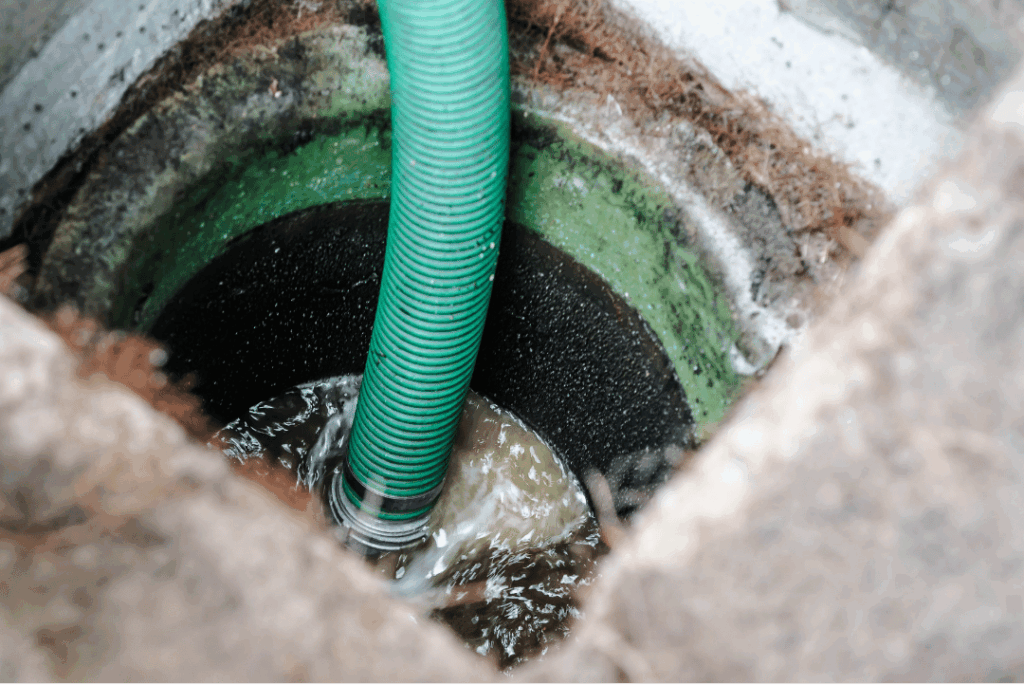
Once a septic tank shows signs of blockage, the safest and most effective step is to arrange a professional emptying and inspection. Pumping out the tank removes excess sludge and scum, immediately reducing pressure on the system. During the visit, a drainage professional can also check inlet and outlet pipes, baffles and flow levels to identify where the restriction is occurring.
It’s important to avoid DIY or chemical fixes. Pouring chemical drain cleaners or septic additives into the system can do more harm than good, killing beneficial bacteria and potentially damaging pipework. High-pressure flushing without understanding the cause of the blockage can also force solids into the drainage field, making the problem worse.
If blockages keep returning even after emptying, further investigation is often needed. In these cases, a CCTV drain survey can be used to inspect pipework between the tank and drainage field, checking for root intrusion, collapsed sections or other hidden obstructions that can’t be seen from the surface.
For homeowners in Hereford, Monmouth and South Wales, Morgan’s Septic Tank Waste can provide septic tank emptying, inspections and CCTV surveys to identify the root cause of blockages and recommend the most practical long-term solution.
How to Prevent Septic Tank Blockages in the Future
Most septic tank blockages are preventable with the right habits and maintenance. Once a blockage has been cleared, putting a few simple measures in place can dramatically reduce the chances of the problem returning.
One of the most important steps is sticking to a regular emptying schedule. Emptying the tank before sludge and scum build up too much prevents solids from reaching outlet pipes and the drainage field. The right interval depends on household size and water use, but consistency is key.
Being careful about what goes down the drains also makes a huge difference. Septic systems are designed for human waste and septic-safe toilet paper only. Wet wipes (even those labelled “flushable”), cotton buds, sanitary products, nappies, and food waste should never enter the system. In the kitchen, fats, oils and grease should be disposed of separately, as they harden inside pipes and contribute to blockages.
Managing water usage helps protect the system from overload. Spreading out laundry loads, avoiding long showers, and not running multiple high-water appliances at the same time reduces the risk of solids being pushed out of the tank too quickly. Water-efficient fixtures can also extend the life of the drainage field.
It’s equally important to go easy on harsh chemicals and antibacterial products. Overuse of bleach, drain cleaners and strong disinfectants can disrupt the natural bacteria that break down waste in the tank, leading to faster sludge build-up and poorer system performance.
Finally, keeping access points clear and knowing where your tank and drainage field are located makes routine checks and servicing much easier, especially if problems start to develop.
When a Blockage Indicates a Bigger Problem
While many septic blockages are caused by maintenance or usage issues, repeated or persistent problems can point to something more serious within the system.
If blockages return shortly after the tank has been emptied, it may indicate a failing drainage field. Saturated soil, poor percolation, or long-term overloading can prevent effluent from dispersing properly, forcing wastewater back toward the tank and home. In these cases, simply emptying the tank won’t solve the root cause.
Structural issues are another possibility. Damaged pipes, root intrusion, collapsed sections or misaligned joints can restrict flow and cause recurring blockages. These problems often develop underground and worsen over time if left unaddressed.
In some homes, the issue may be that the system is undersized or ageing. Properties that have been extended, converted, or now house more people than originally intended may be producing more wastewater than the septic system was designed to handle.
When blockages keep coming back, professional assessment is essential. Further investigation, such as pipe inspections or drainage surveys, allows the underlying issue to be identified and the most appropriate long-term solution recommended, whether that’s repairs, upgrades or changes to how the system is used.
Get in touch
Contact Morgan’s Septic Tank Waste today for a free quote or to schedule your service.
Frequently Asked Questions About Blocked Septic Tanks
How do I know if my septic tank is blocked or just full?
A full tank and a blocked system often show similar symptoms, such as slow drains, gurgling pipes and bad smells. However, if problems return quickly after emptying, the issue is more likely to be a blockage in the outlet pipe or drainage field rather than simply a full tank.
Can a septic tank unblock itself?
No. Septic blockages do not clear on their own. Once sludge, grease or debris restricts flow, the problem will usually worsen without professional emptying or inspection.
How often should a septic tank be emptied to prevent blockages?
Most domestic septic tanks should be emptied every 1–5 years, depending on tank size, number of occupants and water usage. Emptying too late allows sludge and scum to build up and increases the risk of blockages.
Are wet wipes really a problem for septic tanks?
Yes. Even wipes labelled as “flushable” do not break down properly in septic systems. They commonly cause pipe blockages and interfere with the tank’s ability to separate waste.
Do septic tank additives help clear blockages?
Additives are not a reliable fix for blockages. In some cases, they can disrupt the natural bacterial balance in the tank or give a false sense of security while the underlying problem worsens.
Is a blocked septic tank an emergency?
It can be. If wastewater is backing up into the property or pooling in the garden, this is a health and environmental risk and should be dealt with urgently.