What is a Cesspit?
The term cesspit is still used a lot, especially when dealing with rural or off-mains properties, but many homeowners aren’t entirely sure what it actually means.
In simple terms, a cesspit is not a treatment system. It doesn’t break down waste or discharge water safely into the ground. Instead, it stores everything that leaves the property until it’s removed by a tanker. Because of this, cesspits are usually only used where no other drainage option is possible.
Understanding how a cesspit works, when it’s used and what it means for ongoing costs is important for any homeowner dealing with one. This guide explains the basics in clear, practical terms.
What Is a Cesspit, in Plain English?
A cesspit is a sealed, underground tank that collects all the sewage and wastewater from a property.
Unlike a septic tank or a sewage treatment plant, a cesspit has no outlet and no drainage field. Nothing soaks into the ground and nothing is treated on site. Every litre of wastewater that enters the tank stays there until it is pumped out and taken away for treatment.
Because cesspits are storage systems only, they fill up quickly. Regular emptying by a licensed waste carrier is essential to prevent overflows, smells and pollution. This is why cesspits are often described as a last-resort solution and why they can be expensive to run compared with other off-mains drainage systems.
How a Cesspit Works
A cesspit works by doing one thing only: storing wastewater.
All sewage and wastewater from the property flows into the tank through underground pipes. Because the tank is fully sealed and watertight, nothing can escape into the surrounding ground. There is no outlet pipe, no soakaway and no form of treatment happening inside the tank.
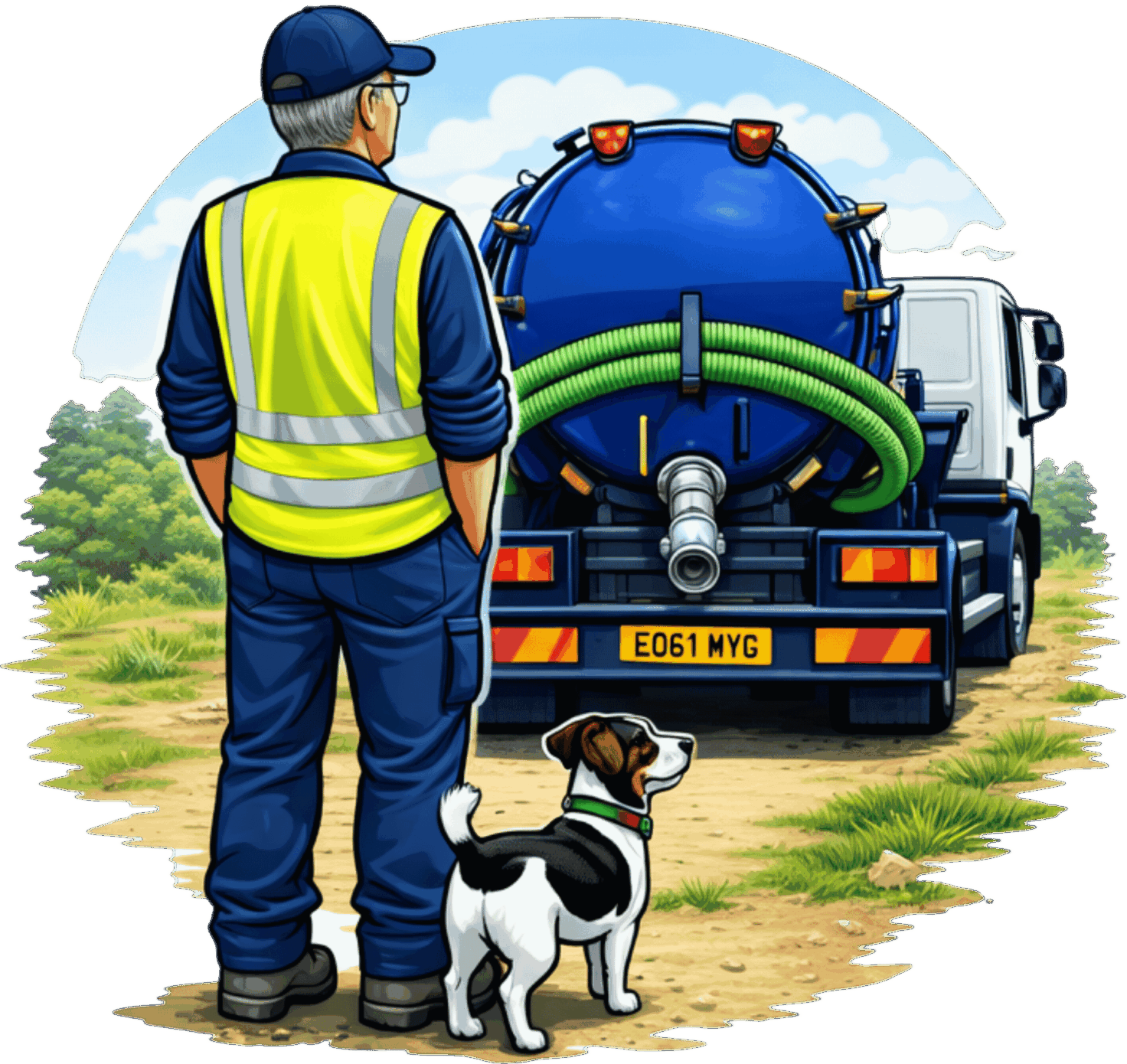
As water is used in the home, the cesspit steadily fills up. Once it reaches capacity, it must be emptied by a vacuum tanker and the waste taken to a licensed treatment facility. If the tank isn’t emptied in time, it can overflow, causing odours, pollution and potential legal issues.
This reliance on frequent emptying is what makes cesspits expensive and why careful monitoring of tank levels is essential.
Cesspit vs Septic Tank vs Treatment Plant
The key difference between a cesspit and other off-mains systems is what happens to the wastewater.
A cesspit stores everything and relies entirely on tanker emptying. A septic tank treats wastewater partially before releasing liquid effluent into a drainage field, where it is further cleaned by the soil. A sewage treatment plant goes a step further, producing much cleaner effluent that can be discharged under strict conditions.
Because septic tanks and treatment plants treat wastewater on site, they usually require far less frequent emptying and have lower long-term running costs. For this reason, regulators generally prefer these systems where ground conditions allow.
Cesspits are typically only permitted where connection to mains drainage isn’t possible and where treated discharge to ground or watercourses is not allowed. In most cases, they are considered a last-resort option rather than a preferred solution.
Historical Cesspits and Modern Cesspools
The word cesspit has been used for centuries, but what it means today is very different from how it was used in the past.
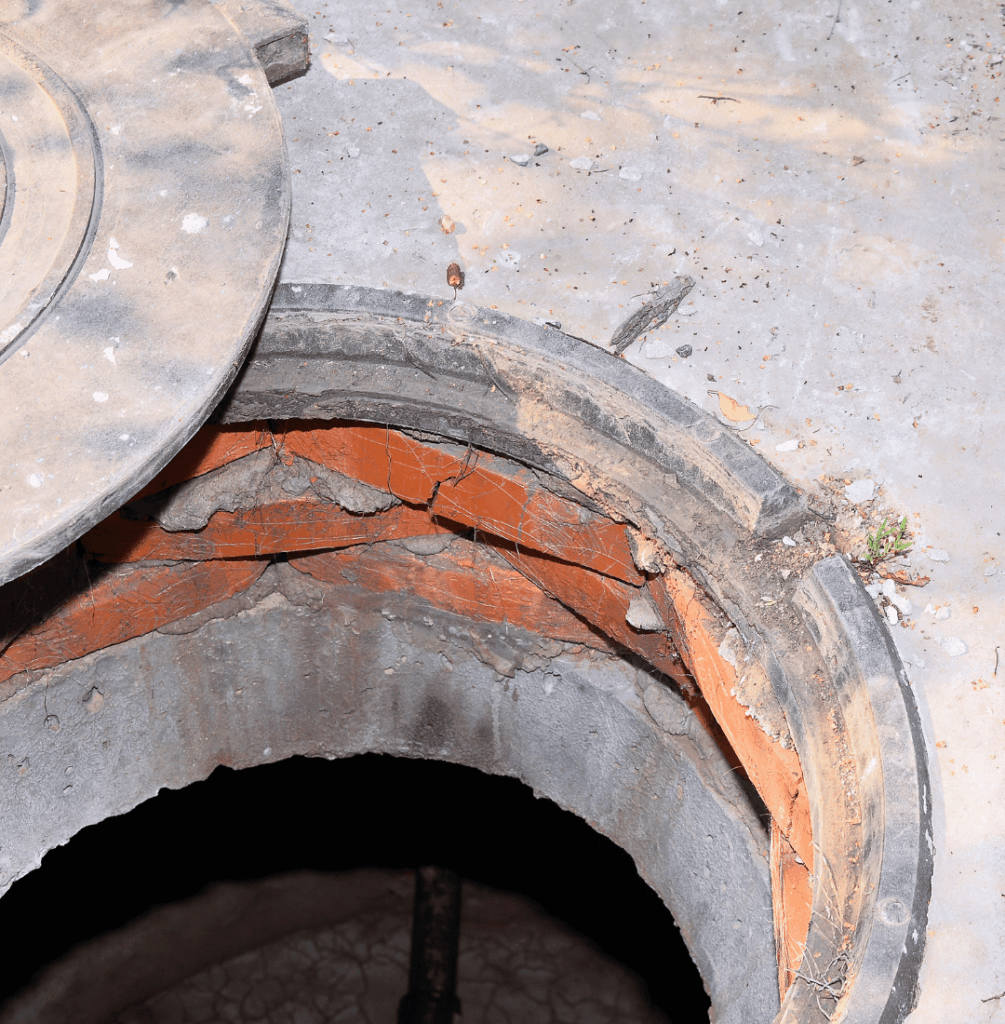
Historically, cesspits were often brick- or stone-lined pits with gaps that allowed liquids to seep into the surrounding soil while solids collected at the bottom. These older systems were unhygienic and are now considered environmentally unsafe because they allowed untreated waste to contaminate soil and groundwater.
Modern systems are different. What most people now refer to as a cesspit is technically a cesspool: a fully sealed, watertight tank made from materials such as concrete or GRP. These tanks are designed to store waste securely until it can be removed and treated elsewhere.
Leaking or permeable pits are no longer allowed in the UK. Any modern cesspit system must be completely sealed to prevent pollution.
When Is a Cesspit Used?
Cesspits are generally only used where no other drainage option is suitable.
This usually applies to properties that cannot connect to the mains sewer and also cannot safely discharge treated wastewater to the ground or a nearby watercourse. Poor soil conditions, high water tables and environmentally sensitive locations are common reasons why septic tanks or treatment plants are not permitted.
Cesspits are also sometimes used for temporary or seasonal sites, such as construction compounds or certain campsites, where a permanent treatment system isn’t practical.
Because they involve higher running costs and frequent emptying, cesspits are typically considered a last resort rather than a long-term solution where alternatives are available.
Practical Implications for Homeowners
Owning a cesspit comes with ongoing responsibilities and higher running costs than most other drainage systems.
Because a cesspit stores all wastewater, it fills up quickly. For a typical household, this can mean emptying every few weeks, depending on tank size and water usage. This frequent servicing is the main reason cesspits are expensive to run.
Access is also important. The tank must be easy for a vacuum tanker to reach, with a suitable driveway or hose route and a secure, safe access cover. Poor access can make emptying more difficult and increase costs.
If a cesspit overfills or leaks, it can cause strong odours, pollution and potential enforcement action. Careful monitoring and regular emptying are essential to avoid problems.
If you’re unsure how often your cesspit needs emptying, or you’re already noticing rising levels or odours, arranging a routine emptying before it reaches capacity can help prevent overflows and unnecessary issues.
Maintenance, Emptying and Legal Responsibility
Cesspits require consistent and proactive maintenance.
Emptying must be carried out by a licensed waste carrier, and waste must be taken to an approved treatment facility. Homeowners are responsible for ensuring this happens and for keeping records of each emptying visit.
The tank itself must remain watertight and properly vented. Any signs of leaks, structural damage or persistent odours should be investigated immediately.
If a cesspit causes pollution through overflow or leakage, the owner may face enforcement action or fines. Staying on top of maintenance isn’t just good practice, it’s a legal responsibility.
If you need your cesspit emptied, using a licensed, experienced provider ensures waste is removed safely, legally and with the correct documentation in place.
Is a Cesspit the Right Option for Your Property?
In most cases, a cesspit is only the right option when there is no practical alternative.
Because cesspits involve high running costs and frequent emptying, they are rarely the preferred choice for long-term residential use. Where ground conditions and regulations allow, a septic tank or sewage treatment plant is usually more economical and easier to manage.
If a property already has a cesspit, it’s worth understanding whether an alternative system could be installed in the future. Changes in regulations, site assessments or drainage design can sometimes make upgrades possible.
Getting professional advice before accepting or installing a cesspit helps ensure you understand the long-term implications and avoid unnecessary expense.
The Bottom Line
A cesspit is a sealed tank that stores sewage and wastewater without treating it. Everything that enters the system must be removed by tanker, which is why cesspits require frequent emptying and are expensive to run.
They are generally used as a last-resort solution where no other drainage option is permitted. For homeowners dealing with an existing cesspit, understanding how it works and staying on top of maintenance is essential to avoid pollution, odours and legal issues.
Knowing your options and seeking professional advice can help you decide whether a cesspit is the right system for your property now and in the future.
Frequently Asked Questions About Cesspits
What is the difference between a cesspit and a septic tank?
A cesspit simply stores sewage and wastewater until it is emptied, while a septic tank treats wastewater before releasing liquid effluent into a drainage field. Because cesspits do not treat waste, they require much more frequent emptying and are usually more expensive to run.
How often does a cesspit need emptying?
This depends on the size of the tank and how much water the household uses. For many family homes, emptying can be required every few weeks. Monitoring levels and emptying before the tank is full helps prevent overflows and odour problems.
Are cesspits legal in the UK?
Yes, cesspits are legal, but only when they are fully sealed, watertight and used as a last-resort option where no other drainage system is permitted. Owners are responsible for ensuring the system does not leak or cause pollution.
Why are cesspits so expensive to run?
Because a cesspit stores all wastewater, nothing is treated or discharged on site. Every litre of waste must be removed by tanker, which leads to frequent emptying and higher ongoing costs compared with septic tanks or treatment plants.
What happens if a cesspit overflows or leaks?
An overflowing or leaking cesspit can cause strong odours, environmental contamination and potential enforcement action. If you notice rising levels, smells or wet ground, the system should be emptied and inspected as soon as possible.
Can a cesspit be replaced with a septic tank or treatment plant?
In some cases, yes. If site conditions and regulations allow, upgrading to a septic tank or sewage treatment plant may be possible and can significantly reduce long-term running costs. A professional assessment is needed to confirm what options are available.