
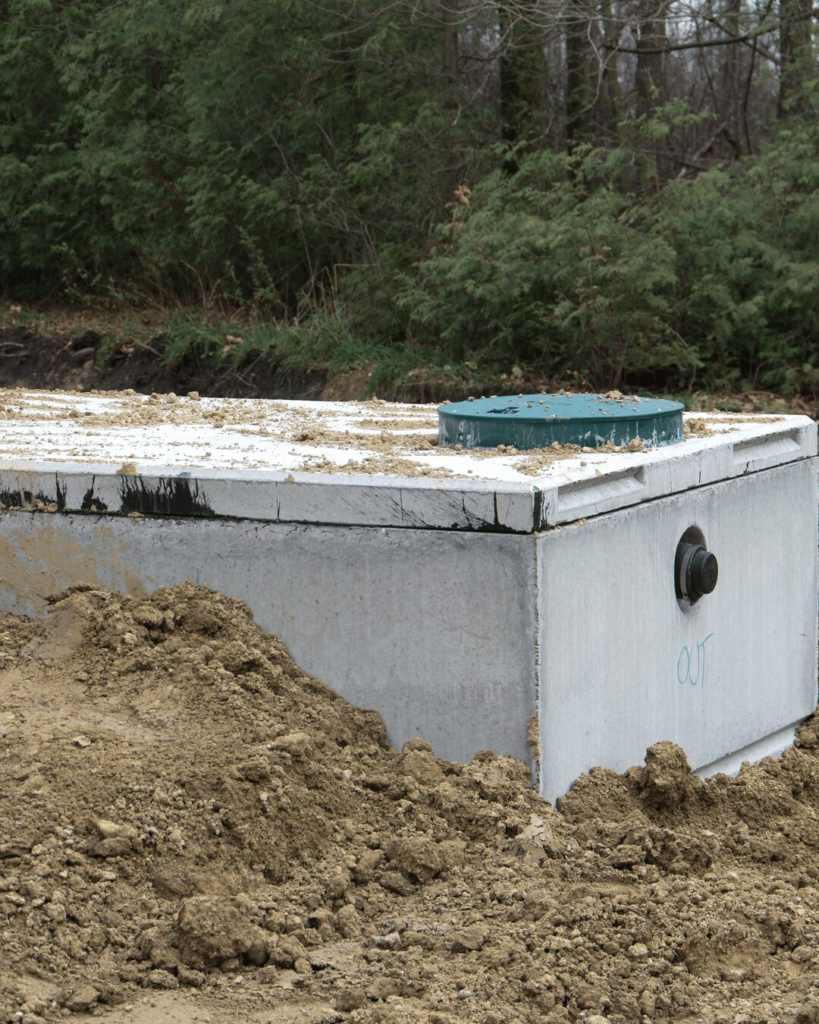
Septic Tanks in Hereford: Installation, Maintenance and Legal Requirements Explained
Across rural parts of Hereford, septic tanks remain a normal part of everyday life. Many properties sit beyond the reach of mains drainage, which means wastewater has to be managed safely on site.
What’s changed in recent years is the level of scrutiny around how these systems are installed and maintained. Rules are tighter, planning expectations are clearer, and homeowners are ultimately responsible for making sure their system doesn’t cause pollution or fall foul of Environment Agency requirements.
This article explains what homeowners in and around Hereford need to know about septic tanks in 2026, from installing a new system correctly, to maintaining it properly and understanding the legal responsibilities that come with off-mains drainage.
Installing a Septic Tank in and Around Hereford
Installing a septic tank isn’t just a technical job, it’s a regulated process that starts with checking whether a septic system is appropriate in the first place.
Before a new tank is installed or an existing one replaced, homeowners are expected to confirm whether a connection to the public sewer is possible. If a mains sewer runs close enough to the property, regulators will usually expect you to connect to it rather than install a new off-mains system.
Where septic tanks are allowed, any new or significantly altered system must meet current standards. This includes complying with Environment Agency rules, securing planning permission where required, and passing Building Regulations approval. In Herefordshire, particular care is taken to protect local watercourses and sensitive catchments, so system location and discharge method matter.
A proper installation also means choosing the right type of system for the site. Depending on ground conditions and location, this could be a traditional septic tank with a drainage field, a packaged sewage treatment plant, or in limited cases a cesspit. Getting that decision right early helps avoid expensive upgrades later.
Drainage Fields, Not Ditches or Streams
One of the most common misunderstandings around septic tanks is how the wastewater is allowed to leave the system.
In Herefordshire, septic tanks are only permitted to discharge treated wastewater to the ground through a properly designed drainage field. Piping effluent into a ditch, stream, river or land drain is not allowed and will put the system in breach of the General Binding Rules.
A compliant drainage field spreads wastewater evenly into unsaturated soil, where natural bacteria complete the treatment process before it reaches groundwater. This is very different from a single deep soakaway or crate system, which concentrates flow and increases pollution risk.
Daily discharge volumes are also limited. For most domestic septic tanks, the discharge to ground must stay below 2,000 litres per day. Higher flows, or systems located in sensitive areas such as groundwater protection zones, may require an environmental permit instead of relying on standard rules.
Legal Requirements for Septic Tanks in Hereford (2026)
Owning a septic tank comes with legal responsibilities, and these apply whether the system is new or has been in place for many years.
Homeowners must either comply fully with the Environment Agency’s General Binding Rules or apply for an environmental permit where those rules cannot be met. This includes ensuring the system is correctly installed, properly maintained and does not cause pollution.
Septic tanks themselves are not allowed to discharge directly to surface water. Where a discharge to a stream or river is unavoidable, a sewage treatment plant certified to current standards is normally required instead. Local planning guidance in Herefordshire also places particular emphasis on protecting sensitive catchments, such as those feeding into the River Lugg.
If a system leaks, overflows or contaminates land or water, the responsibility for fixing the problem sits with the homeowner. This can involve repairs, upgrades or full replacement, depending on the issue.
Day-to-Day Septic Tank Maintenance Expectations
Once a septic tank is installed, keeping it in good working order is an ongoing responsibility.
Regular inspections and emptying are essential. For most households in and around Hereford, tanks are typically emptied every one to three years, depending on tank size, number of occupants and water use. Some properties benefit from more frequent emptying to protect the drainage field.
Basic checks also make a difference. Looking at the inspection chamber to make sure the discharge is clear, keeping an eye on liquid levels in the tank, and watching for sudden changes can all help catch problems early. Keeping a simple maintenance log with dates of emptying and inspections is strongly recommended and often requested when selling a property.
Using a licensed waste carrier for emptying isn’t optional. It’s part of operating the system legally and responsibly.
Everyday Do’s and Don’ts for Septic Tanks
How a septic tank is used day to day has a direct impact on how long it lasts.
Household waste should be limited to what the system is designed to handle. Wipes, nappies, sanitary products, fats and oils are some of the most common causes of blockages and internal damage. Harsh chemicals can also disrupt the natural bacteria the tank relies on.
Water use matters too. Spreading out laundry loads, avoiding excessive water use in short periods, and diverting roof or surface water away from the drainage field all help prevent overloading and waterlogged ground.
These small habits don’t take much effort, but they play a big role in keeping septic tanks working reliably and avoiding avoidable repairs.
Problems You Must Not Ignore
Septic tanks usually give warning signs before they fail, and ignoring them often makes the outcome more expensive.
Slow drains across the house, gurgling toilets or unpleasant smells near the tank or drainage field all suggest the system is under strain. Wet or unusually green patches of grass over the soakaway can indicate that treated wastewater isn’t dispersing properly into the ground.
The most serious sign is sewage backing up into sinks, toilets or showers. This usually means the tank is full, the outlet is blocked or the drainage field is no longer functioning as it should.
If a septic system causes pollution, whether that’s leaking into a ditch, a neighbouring field or a nearby watercourse, the responsibility sits with the homeowner. In these situations, regulators can require repairs, upgrades or even full replacement of the system.
What If Your Property Uses a Cesspit?
Some properties around Hereford still rely on cesspits rather than septic tanks.
Unlike septic tanks, cesspits don’t treat wastewater at all. They simply store everything that leaves the property until it’s removed by a tanker. This means they fill quickly and need emptying far more frequently, making them expensive to run.
Cesspits are generally considered a last-resort option where neither mains drainage nor a compliant septic or treatment system is possible. They must be completely watertight, emptied regularly and maintained carefully to avoid overflows and pollution.
If your property has a cesspit, it’s worth understanding whether an upgrade to a septic tank or sewage treatment plant might be possible in the future, particularly if regulations or site conditions allow for a better long-term solution.
Selling a Property With a Septic Tank in Hereford
Septic tanks often become a focus when a property is sold, especially in rural parts of Hereford and the surrounding villages.
Sellers are expected to inform buyers in writing that a private drainage system is in place and provide details about how it works, where it’s located and how it’s been maintained. Solicitors now routinely ask for evidence that the system complies with current rules, including records of emptying and any inspections or upgrades.
Problems usually arise when systems are outdated, discharge incorrectly or have no maintenance history. These issues can delay a sale or lead to last-minute requests for surveys, repairs or upgrades before contracts can be exchanged.
Keeping clear records and dealing with compliance issues early makes the process far smoother and avoids unnecessary stress when selling a home.
Septic tanks are still a practical and widely used solution for properties in and around Hereford, but they come with clear responsibilities.
Installing the right system in the right place, maintaining it properly and staying within Environment Agency and local planning rules are all essential. Most serious problems can be avoided by understanding how the system works, carrying out regular maintenance and acting quickly when warning signs appear.
For homeowners, taking a proactive approach to septic tank care not only protects the environment but also helps avoid costly repairs, enforcement action and complications when selling a property.
Get in touch
Contact Morgan’s Septic Tank Waste for any questions regarding septic tanks in Hereford
Frequently Asked Questions About Septic Tanks in Hereford
Are septic tanks still legal in Hereford?
Yes, septic tanks are still legal in and around Hereford, provided they meet the Environment Agency’s General Binding Rules. This means they must discharge treated wastewater to ground through a proper drainage field and must not cause pollution.
Do I need permission to install a septic tank in Hereford?
In most cases, yes. New septic tank installations usually require planning permission and Building Regulations approval. You also need to check whether a public sewer is nearby, as connection may be required instead of a new septic system.
How often should a septic tank be emptied?
For most households, septic tanks are emptied every one to three years. The exact interval depends on tank size, number of occupants and water usage. Regular emptying helps protect the drainage field and prevent system failure.
Can a septic tank discharge into a stream or ditch?
No. Septic tanks are not allowed to discharge directly into streams, ditches or rivers. If surface water discharge is needed, a sewage treatment plant certified to current standards is usually required instead.
What are the warning signs of septic tank problems? of a septic tank?
Common warning signs include slow drains throughout the house, gurgling toilets, bad smells near the tank or drainage field, wet or unusually green grass, and sewage backing up indoors. These should always be investigated promptly.
What happens if my septic tank causes pollution?
If a septic tank leaks or contaminates land or water, the homeowner is responsible. You may be required to repair, upgrade or replace the system and could face enforcement action if the issue is not addressed.