Septic Tanks in Monmouth: Installation, Maintenance and Local Regulations Explained
Across rural parts of Monmouth, septic tanks are still a normal part of everyday life. Many homes sit beyond the reach of the mains sewer, particularly in villages and countryside locations near the River Wye and River Monnow.
What makes Monmouth different from towns over the border is that septic tanks here fall under Welsh regulation. That means dealing with Natural Resources Wales (NRW) rather than the Environment Agency, registering most systems, and making sure your discharge does not cause pollution.
For homeowners, the responsibility is clear. You must install the system correctly, maintain it regularly, and comply with Welsh registration and permitting rules. This guide explains what that means in practical terms.
Installing a Septic Tank in and Around Monmouth
The first question isn’t which tank to buy. It’s whether you’re allowed to install one at all.
In both England and Wales, you’re expected to connect to the public sewer if it’s reasonably practical to do so. If a mains foul sewer runs close to your property and connection is viable, regulators will normally require that option instead of installing a new private system.
Where off-mains drainage is justified, any new septic tank or sewage treatment plant will require Building Regulations approval and, in many cases, planning permission. The system must be properly sited so it doesn’t affect neighbouring land, nearby watercourses or sensitive catchments around Monmouthshire.
In Wales, there’s an additional step. Most private sewage systems must be registered with Natural Resources Wales, even where they don’t need a full environmental permit. You can find details in the official Natural Resources Wales guidance, which sets out when registration is required and when a permit may be needed instead.
For homeowners considering a new system, working with experienced contractors who understand compliant septic tank installation is essential. This ensures the tank, drainage field and paperwork all meet current standards from the outset.
Drainage Fields and Welsh Environmental Sensitivity
In most cases, septic tanks serving homes around Monmouth will discharge to ground through a drainage field. This is a network of perforated pipes laid in trenches that spread treated effluent into unsaturated soil, where it receives further natural treatment.
What isn’t acceptable is directing discharge into a ditch, stream, land drain or river. In Wales, discharges that cause pollution are not permitted, and systems found to be impacting watercourses such as the Wye or Monnow may require upgrade to a sewage treatment plant.
Welsh compliance differs slightly from England. While there isn’t a single national “upgrade by” deadline, Natural Resources Wales takes a case-by-case approach and can require improvements where pollution risk is identified. That makes correct siting and drainage field design critical from the start.
If ground conditions are unsuitable for a compliant drainage field, a treatment plant rather than a traditional septic tank may be necessary.
Local Regulations in Wales: Registration and Permits
One of the biggest differences for Monmouth homeowners is registration.
In Wales, most private sewage systems that discharge to ground or surface water must be registered with Natural Resources Wales. Even where a system qualifies as an exemption from a full environmental permit, registration is still mandatory.
NRW’s official guidance on running and maintaining septic tanks (external link placement: UK Government guidance on septic tanks can be used for broader context comparison) sets out the expectations clearly. Homeowners must ensure the system is maintained properly, emptied regularly and does not contaminate neighbouring land or water.
In some locations, particularly sensitive areas or where discharge volumes are higher, a full environmental permit may be required instead of a simple registration. Permits can include specific conditions, such as upgrade requirements within a set timeframe.
The key point is that responsibility rests with the homeowner. Failing to register or allowing a system to cause pollution can result in enforcement action.
Routine Septic Tank Maintenance for Monmouth Homeowners
Once a septic tank is installed and registered, ongoing maintenance becomes the priority.
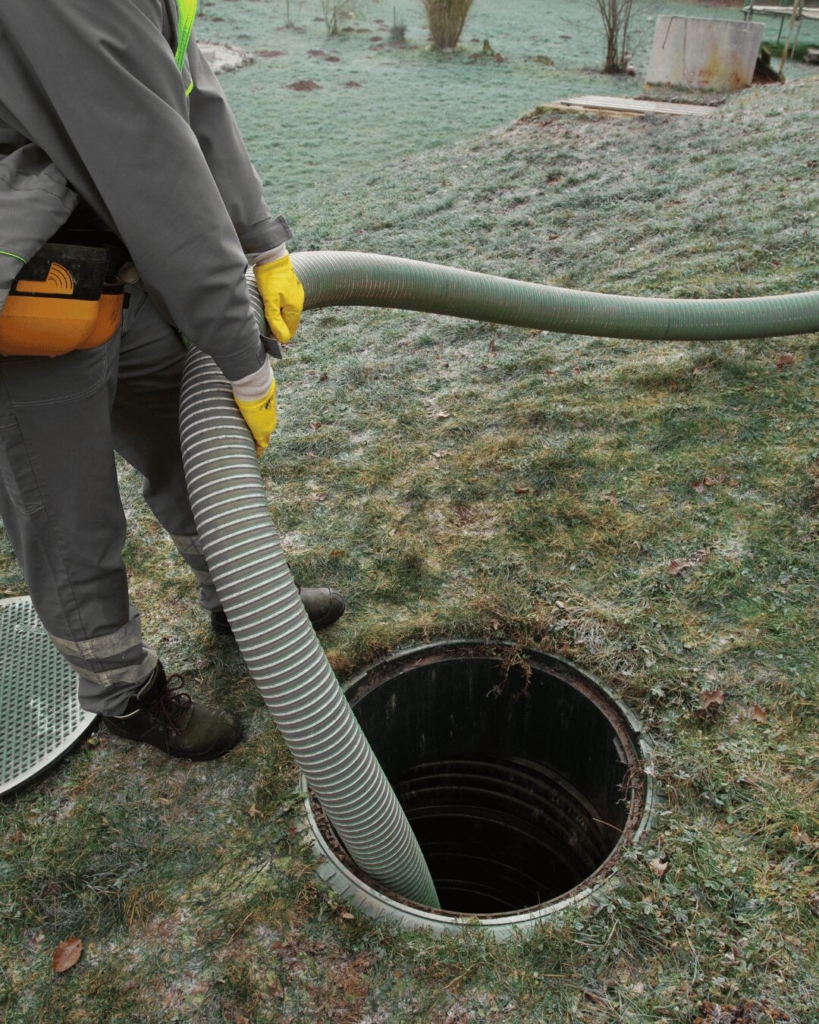
Natural Resources Wales advises that most domestic septic tanks in Wales should be emptied every 12 to 24 months by a registered contractor. Arranging regular septic tank emptying helps prevent solids building up and damaging the drainage field.
As part of responsible ownership, homeowners should also check the drainage field regularly. Look for signs of waterlogging, pooling water, unusual smells or discharge that appears cloudy or contains solids. These early checks can prevent much bigger problems later.
Keeping a simple maintenance record is strongly recommended. Dates of emptying, inspections and any repairs should be logged, especially as NRW expects systems to be operated responsibly.
For homeowners who want to stay on top of routine servicing, arranging regular septic tank emptying Hereford services can help ensure the system is maintained correctly and on schedule.
Everyday Do’s and Don’ts
How you use the system day to day has a direct impact on how well it performs.
Simple steps make a difference. Fix leaking taps and toilets quickly, spread out washing machine and dishwasher loads, and avoid sending large volumes of water through the system at once. This reduces hydraulic shock to the tank and drainage field.
Equally important is being careful about what goes down the drains. Wipes, nappies, sanitary products, fats, oils and harsh chemicals are frequent causes of blockages and drainfield failure. Septic tanks rely on natural bacterial action, and anything that disrupts that balance shortens the life of the system.
These habits may seem minor, but over time they determine whether a septic tank continues to function properly or becomes a costly repair issue.
Warning Signs You Should Never Ignore
Septic tanks rarely fail without giving some kind of warning.
Slow drains throughout the house, gurgling sounds from toilets, or unpleasant smells near the tank or drainage field are often early indicators that the system is under strain. Wet or unusually green patches of grass over the soakaway can suggest that effluent is no longer dispersing properly into the ground.
The most serious sign is sewage backing up into sinks, showers or toilets. That usually means the tank is full, the outlet is blocked or the drainage field is saturated. In Wales, if a system is found to be polluting nearby land or watercourses, Natural Resources Wales can require repairs or upgrades.
Acting early is almost always cheaper than waiting for a full system failure. Prompt inspection and pumping can prevent long-term damage to the drainage field.
What If Your Property Uses a Cesspit?
Some rural properties around Monmouth still rely on cesspits rather than septic tanks.
Unlike septic tanks, cesspits do not treat wastewater. They simply store everything that enters the system until it is removed by tanker. This means they fill much more quickly and require frequent emptying to prevent overflow.
Because cesspits hold 100% of household waste, they can be expensive to run and must be managed carefully. Regular cesspit emptying services are essential to avoid pollution and remain compliant with Welsh environmental rules.
In some cases, homeowners may consider upgrading from a cesspit to a septic tank or sewage treatment plant if site conditions and regulations allow. A professional assessment can determine whether that is possible.
Selling a Property With a Septic Tank in Monmouth
Private drainage systems often become a key issue when a property changes hands.
If you are selling a home in Monmouth that uses a septic tank or cesspit, you are expected to inform the buyer in writing. This includes explaining what type of system is installed, where it is located, how it discharges and whether it is registered with Natural Resources Wales.
Buyers’ solicitors now routinely ask for evidence of registration, maintenance records and confirmation that the system complies with Welsh rules. If documentation is missing, this can delay the sale or result in requests for inspections and upgrades before completion.
Keeping clear records of emptying, inspections and any improvements makes the process far smoother and demonstrates that the system has been operated responsibly.
Septic tanks remain a practical solution for many rural properties around Monmouth, but they come with clear responsibilities under Welsh law.
Homeowners must ensure that installation is justified and properly approved, that the system is registered with Natural Resources Wales, and that it is emptied and maintained regularly. Drainage fields must function correctly and must not cause pollution to neighbouring land or nearby watercourses.
With the right installation, routine maintenance and a proactive approach to compliance, a septic tank can operate reliably for many years. Understanding the Welsh regulatory framework and acting early when issues arise is the best way to avoid costly problems and protect both your property and the local environment.
Get in touch
Contact Morgan’s Septic Tank Waste for any questions regarding septic tanks in Hereford
Frequently Asked Questions About Septic Tanks in Monmouth
Do septic tanks in Monmouth need to be registered?
Yes. In Wales, most private sewage systems that discharge to ground or surface water must be registered with Natural Resources Wales (NRW). Even if a full environmental permit is not required, registration is usually mandatory.
How often should a septic tank be emptied in Monmouth?
Welsh guidance typically recommends emptying every 12 to 24 months, depending on tank size and household usage. More frequent emptying may be needed for smaller tanks or larger households.
Can a septic tank discharge into a stream in Monmouthshire?
No. Septic tanks must not discharge directly into streams, rivers or ditches. If surface water discharge is required, a compliant sewage treatment plant is usually necessary instead.
Do I need planning permission to install a septic tank in Monmouth?
In most cases, yes. New installations normally require Building Regulations approval and may also require planning permission, particularly in environmentally sensitive areas.
What happens if my septic tank pollutes nearby land or water?
If a septic system causes pollution, Natural Resources Wales can require repairs, upgrades or full replacement. The legal responsibility lies with the homeowner.
What are the warning signs of septic tank failure?
Common signs include slow drains, gurgling toilets, foul smells, pooling water over the drainage field and sewage backing up into the property. These should be investigated immediately to prevent more serious damage.