How to Dispose of Dog Waste Legally in South Wales
If you own a dog in South Wales, disposing of dog waste isn’t just about being considerate, it’s a legal responsibility.
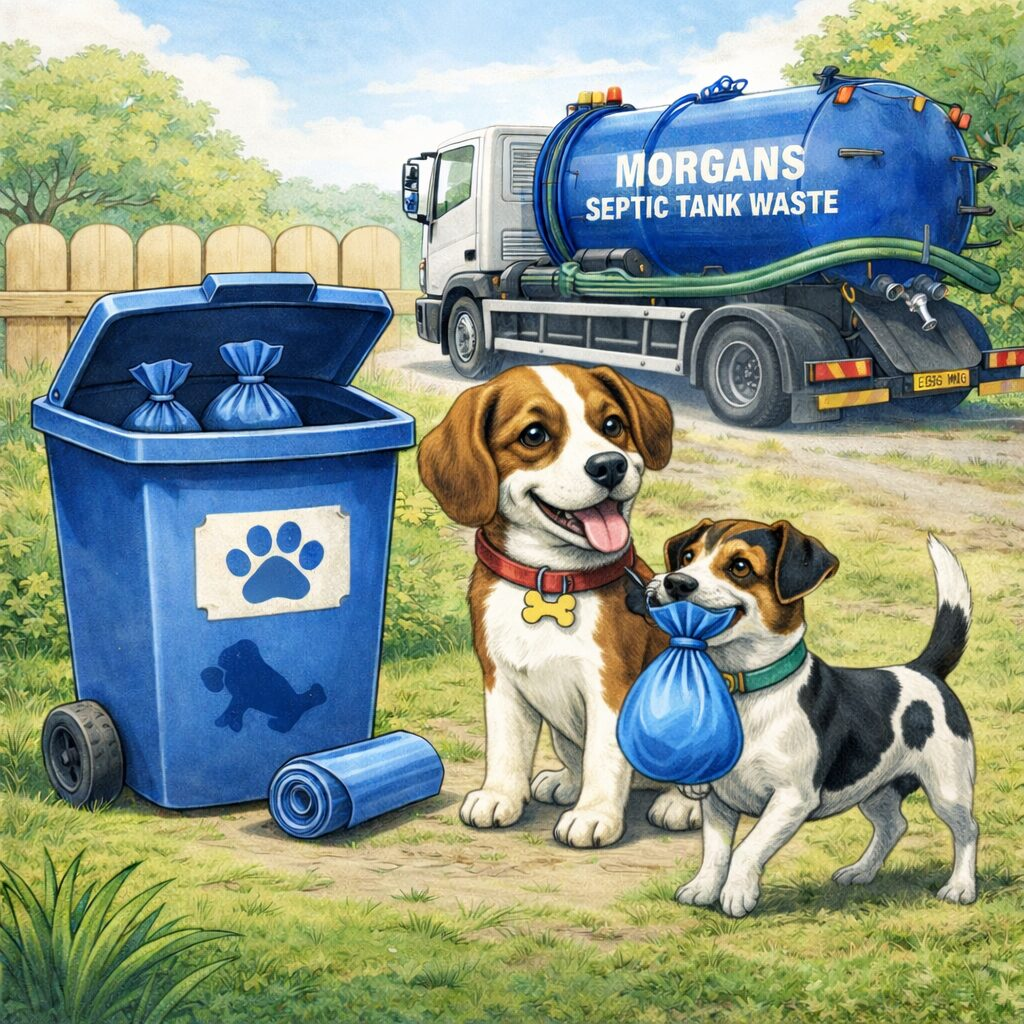
Local councils across Wales repeat the same simple message: grab it, bag it, bin it. That means always picking up after your dog, sealing the waste in a bag, and putting it in the correct bin. Leaving it on pavements, verges, parks or countryside paths isn’t just unpleasant, it can lead to fines and environmental harm.
This guide explains what the law expects from dog owners in South Wales, where dog waste is legally allowed to go, which bins you must avoid, and how to dispose of it responsibly at home.
What the Law Says in South Wales
Dog owners in South Wales are legally required to clean up after their dogs in public places.
Under Public Space Protection Orders and local by-laws, failing to remove dog fouling can result in an on-the-spot fine, often around £100, and potentially more for repeat offences. Saying you didn’t see your dog foul or didn’t have a bag with you is not considered a valid excuse.
Guidance from Welsh authorities makes it clear that owners must always be prepared. That means carrying suitable bags whenever you take your dog out, whether you’re walking in a town centre, a local park, or the countryside.
Official advice from Natural Resources Wales also highlights that dog waste can carry parasites and bacteria that pose risks to people, livestock and wildlife. Proper disposal isn’t just about avoiding a fine, it protects public health and the local environment.
Where Dog Waste Is Allowed to Go
The rule across South Wales is straightforward: once it’s bagged, it goes in general waste.
In public places, bagged dog waste can be placed in any public litter bin. It does not have to be a specific red dog bin. Councils across Wales confirm that as long as it’s securely bagged, it can go into standard litter bins provided for general waste.
If there isn’t a bin nearby, you are expected to take the bag home with you. Leaving a tied bag on the side of a path, hanging from a tree, or placing it beside a full bin is still classed as littering.
At home, dog waste should be double-bagged if necessary and placed in your black-bag or general household waste bin. Some councils also allow bagged pet waste inside a hygiene caddy where provided, but it must never be placed loose.
Campaigns such as Keep Wales Tidy’s “Grab it, Bag it, Bin it” guidance reinforce this simple message: pick it up, seal it properly, and dispose of it through the normal waste system.
Bins You Must NOT Use
Just as important as knowing where dog waste can go is knowing where it must not go.
Dog waste should never be placed in:
Food waste bins
Garden waste bins
Recycling bins
These collections are processed differently from general waste. Food and garden waste are often composted, and recycling streams must remain uncontaminated. Dog waste contains bacteria and parasites that make it unsuitable for those systems.
Even if a bin looks convenient, putting pet waste into the wrong container can contaminate entire loads of compost or recycling. That creates hygiene risks and may cause councils to reject collections.
The safest rule to remember is this: if it’s dog waste, it belongs in general waste only.
At-Home Solutions: Garden Disposal and Dog Loos
For many dog owners in South Wales, most waste is generated at home rather than in public spaces.
If your dog uses your garden regularly, you still have a responsibility to dispose of waste properly. The simplest approach is to bag it and place it in your general household waste bin. Double-bagging can help reduce odours, especially in warmer weather.
Some councils also mention the option of installing a purpose-built “dog loo.” These are small, in-ground units designed to allow pet waste to break down in a controlled way. They work similarly to a mini composting system, but they must be installed correctly and positioned away from edible crops, drains, ponds or water features.
It’s important to follow manufacturer guidance carefully. Not all soils or garden layouts are suitable, and improper installation can create hygiene or drainage issues.
For larger properties, kennels, dog walkers or commercial sites, standard household bins may not be practical. In these cases, using a professional dog waste collection service can ensure waste is handled safely and in line with local regulations.
Why Proper Disposal Matters: Health and the Environment
Dog waste isn’t just unpleasant, it carries real risks.
Research referenced by Welsh environmental campaigns highlights that dog faeces can contain parasites and bacteria harmful to people, livestock and wildlife. When left on the ground, these contaminants can persist in soil and wash into watercourses during rainfall.
In rural parts of South Wales, including areas near rivers and farmland, this is particularly important. Nutrient pollution from faeces can also alter soil balance, encouraging aggressive plants like nettles and thistles while reducing biodiversity.
Bagging and placing waste into general refuse prevents parasite eggs and harmful bacteria from spreading through the environment. Once collected through the normal waste system, it is handled in a controlled way rather than breaking down in public spaces.
The rule may be simple: pick it up, bag it, bin it, but the impact is significant for public health and local ecosystems.
Practical Tips for Responsible Dog Waste Disposal
Disposing of dog waste legally in South Wales isn’t complicated, but small habits make a big difference.
Always carry spare bags when walking your dog. It sounds obvious, but “I forgot a bag” is not accepted as a reasonable excuse under Welsh enforcement rules. Many owners keep a small roll clipped to the lead so they’re never caught out.
When picking up, turn the bag inside out over your hand, collect the waste, then tie it tightly to prevent leaks or odour. If the bag will sit in your household bin for several days, double-bagging can help reduce smells.
Store your general waste bin in a shaded area where possible, especially in warmer months. This helps limit odour and insect activity until collection day.
If you manage multiple dogs, run a kennel, organise events, or oversee shared outdoor spaces, household disposal may not always be practical. In those cases, using a dedicated dog waste collection and tipping service in South Wales can provide a compliant and hygienic solution.
The legal position in South Wales is clear: pick it up, bag it, and place it in general waste.
Dog waste should never be left behind, hung from trees, or placed in food, garden or recycling bins. Councils enforce these rules through fines, but the bigger reason to follow them is environmental and public health protection.
Proper disposal prevents parasites spreading through soil, protects rivers and farmland, and keeps parks and public spaces safe for everyone.
If you remember one thing, remember this: grab it, bag it, bin it, every time.
Get in touch
Contact Morgan’s Septic Tank Waste for any questions regarding Dog waste disposal in Monmouth
Frequently Asked Questions Dog Waste Disposal
Do I have to pick up dog waste in South Wales?
Yes. Dog owners are legally required to clean up after their dogs in public places across South Wales. Failing to do so can result in on-the-spot fines under local enforcement rules.
Can I put dog poo in any public bin?
Yes, as long as it is securely bagged. In South Wales, dog waste can be placed in any public litter bin — it does not have to go in a dedicated dog waste bin.
Which bin should dog waste go in at home?
Bagged dog waste should go into your black-bag or general household waste bin. It must not be placed in food waste, garden waste or recycling bins.
What happens if I don’t pick up after my dog?
You can receive a fixed penalty notice, typically around £100, and in some cases face prosecution for repeat offences. Councils enforce dog fouling laws under Public Space Protection Orders.
Can I flush dog waste down the toilet?
It’s not recommended. Flushing dog waste can cause plumbing problems and may not be suitable for septic systems. The safest option is to bag it and place it in general waste.
Are compostable dog poo bags better for the environment?
Compostable bags can reduce plastic waste, but dog waste itself should still go into general waste unless your council specifically states otherwise. It should not go in food or garden compost bins.