
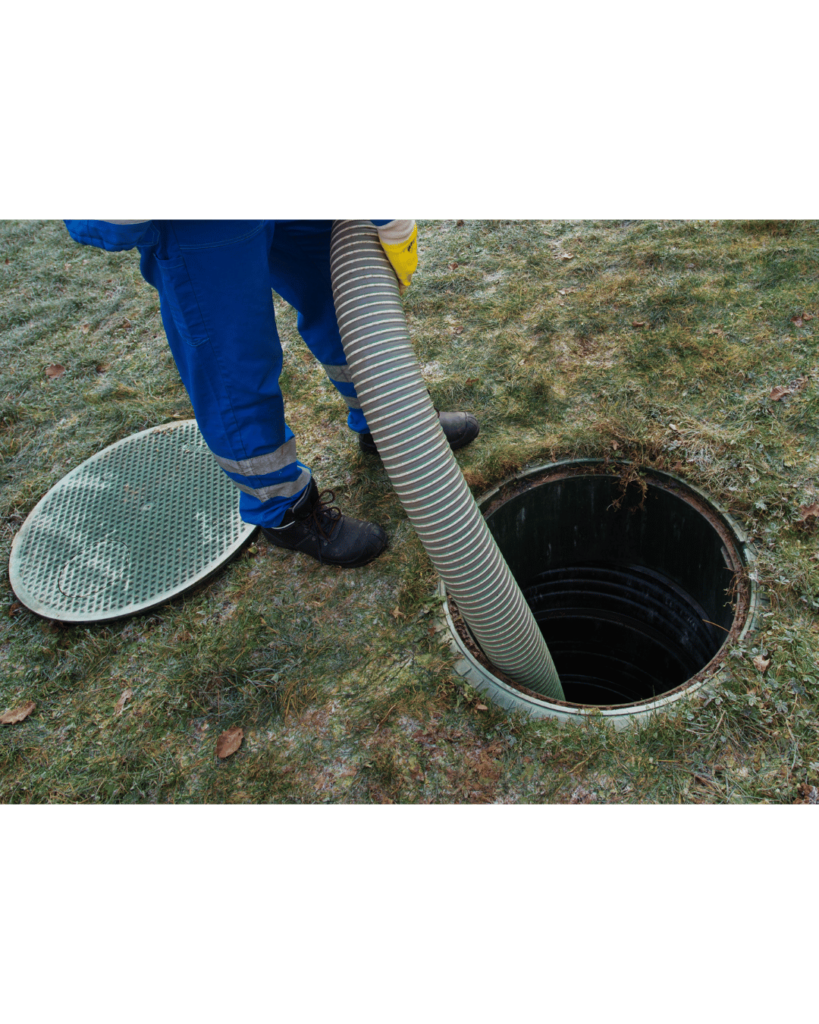
Why Is My Septic Tank Blocked?
For many homeowners across South Wales, Herefordshire and the surrounding rural areas, a septic tank isn’t a lifestyle choice. It’s simply the only realistic option.
If your property isn’t connected to the mains sewer, you still need a safe, legal way to deal with wastewater. That’s where septic tanks and treatment systems come in. But in 2026, installing or upgrading one is no longer as simple as digging a hole and dropping a tank in the ground.
Rules have tightened. Enforcement has increased. And we regularly speak to homeowners who have inherited non-compliant systems, been given poor advice, or only discover a problem when they try to sell.
At Morgan’s Septic Tank Waste, we empty, maintain and install septic systems across the region every week. We see what works, what fails, and what causes unnecessary stress and cost later on.
This guide is designed to walk you through everything you need to know before committing to a septic tank in 2026, from whether you actually need one at all, through to legality, installation, costs and long-term responsibility.
Do You Actually Need a Septic Tank?
The first and most important question is also the most overlooked: do you genuinely need a septic tank?
Many homeowners assume that because their property is rural, a septic system is the only option. In reality, that isn’t always true.
Check for a mains sewer connection first
If your property is close enough to a public sewer, you may be required to connect to it instead of installing or replacing a septic tank. This applies even in rural areas and can catch people out, especially during renovations, extensions or system upgrades.
Before planning anything, it’s essential to confirm:
Whether a public sewer runs nearby
Whether connection is technically possible
Whether connection is legally required
Installing a septic tank when a sewer connection should have been used can lead to enforcement action and expensive corrective work later.
When a septic tank is usually appropriate
In our local area, septic tanks are most commonly needed where:
Properties are isolated or down long private tracks
Sewer connection is impractical or unavailable
Older homes were never designed for mains drainage
Farms, smallholdings and rural conversions are involved
In these cases, a properly designed and compliant system is still perfectly acceptable in 2026.
Why getting this wrong causes problems
We often get called out to properties where:
A septic tank was installed without checking sewer proximity
An old system was replaced like-for-like without reassessing the rules
Homeowners relied on outdated advice
The result is usually the same: wasted money and the risk of being forced to upgrade again.
Before thinking about tank size, costs or installation, the priority is confirming that a septic system is both necessary and allowed on your site. Everything else flows from that decision.
How Septic Tanks Work in 2026
At its core, a septic tank system hasn’t changed much over the years. What has changed is how closely it’s regulated and how little tolerance there is now for poor design or neglect.
A septic system is designed to treat wastewater on site, using a combination of settlement, natural bacteria and soil filtration. It only works properly when every part of that process is respected.
What happens inside the tank
All wastewater from your home flows into an underground tank. Once inside, it separates into three layers:
Sludge settles at the bottom and is made up of heavier solids
Scum floats on the surface and contains fats, oils and grease
Effluent sits in the middle and is the relatively clear liquid that flows out of the tank
Naturally occurring bacteria break down some of the solids, but they do not eliminate them. Over time, sludge and scum build up. If they are not removed through regular emptying, they begin to block outlets, reduce capacity and push untreated waste into the drainage field.
The role of the drainage field
The effluent leaving the tank is not clean. It still contains bacteria and nutrients, which is why it must pass into a properly designed drainage field.
Here, the effluent slowly soaks into unsaturated soil. Microorganisms in the soil finish the treatment process before the water reaches groundwater. This is why soil type, depth and drainage are critical.
When systems fail, it is often because:
The drainage field is too small
The soil is unsuitable
The ground is already saturated
The tank has not been emptied often enough
In 2026, poorly performing drainage fields are one of the main reasons homeowners are forced to upgrade systems.
Why septic tanks are not “fit and forget”
A septic tank is not a sealed unit and it does not magically look after itself. Its performance depends entirely on:
Correct sizing
Correct installation
Responsible daily use
Regular maintenance
When any one of these is ignored, problems tend to surface quickly and usually at the worst possible time.
The Legal Rules You Must Understand Before Installing One
This is where many homeowners get caught out. Septic tank rules in England and Wales are far stricter than they were a decade ago, and ignorance is not a defence.
If you own the system, you are legally responsible for it.
The General Binding Rules explained simply
Most domestic septic tanks fall under the Environment Agency’s General Binding Rules. These are conditions you must meet to operate without a separate environmental permit.
The most important points are:
Septic tanks must not discharge directly into surface water
Wastewater must discharge to ground through a properly designed drainage field
Systems must be installed and sized correctly
The discharge must not cause pollution
If your system does not meet these conditions, you may be required to upgrade or replace it.
When a permit is required
Some situations automatically trigger the need for an environmental permit, including:
Large daily discharge volumes
Location in a groundwater protection zone
Environmentally sensitive sites
Non-standard discharge arrangements
Installing a system without checking this first can lead to enforcement action and expensive remedial work.
Planning permission and Building Regulations
For new installations, and often for replacements, you will usually need:
Planning permission
Building Regulations approval
This ensures the system is safe, compliant and properly recorded. It also protects you if you later sell the property.
Why older systems are being flagged
We regularly inspect systems that were installed years ago and worked “well enough” at the time. The problem is that rules have changed.
Older systems often:
Discharge directly to ditches or streams
Have undersized or failing drainage fields
Do not meet current standards
In 2026, these systems are increasingly being identified during property sales, renovations or inspections and homeowners are then forced to act quickly.
Understanding the legal framework early allows you to plan properly, budget realistically and avoid rushed decisions later.
Is Your Plot Suitable for a Septic Tank?
Not every plot of land is suitable for a septic tank, even if the property itself is rural. This is one of the biggest misconceptions we come across.
For a septic system to work properly, wastewater has to soak away into the ground at the right speed. If the soil drains too quickly, pollutants can reach groundwater before they are treated. If it drains too slowly, the system can back up or surface.
This is why a percolation test is so important. It helps determine whether the soil on your land can safely absorb and treat effluent. In parts of South Wales and Herefordshire, heavy clay soils, high water tables and natural springs are common and can rule out a standard septic tank altogether.
Space also matters more than people expect. You need enough room not just for the tank, but for a correctly sized drainage field, with proper separation distances from buildings, boundaries, wells and watercourses. Steep slopes, limited access for machinery and flood-prone areas can all complicate installation or make it non-compliant.
A proper site assessment early on can save a lot of time and money. It’s far better to find out upfront that a site needs an alternative solution than to install a system that struggles from day one.
Choosing the Right System for Your Property
In 2026, choosing a wastewater system is less about preference and more about compliance.
A traditional septic tank with a drainage field can still be a perfectly good solution where ground conditions are suitable and discharge to ground is allowed. Many rural homes operate these systems successfully when they are properly designed, sized and maintained.
However, in more sensitive locations, or where higher discharge quality is required, a sewage treatment plant may be the better or only option. These systems treat wastewater to a much higher standard before discharge and are often used where groundwater protection, space constraints or regulatory requirements make septic tanks unsuitable.
We regularly see cases where homeowners replace an old septic tank like-for-like, only to find the new system doesn’t meet current rules. What was acceptable years ago may no longer be allowed today.
The right system is always the one that fits the site, meets the regulations and works reliably long term. Getting honest advice at this stage prevents forced upgrades, enforcement issues and unnecessary expense later on.
Getting the Size Right
Septic tanks fail more often because they are undersized than for almost any other reason.
The size of the tank needs to match how much wastewater the household actually produces. This is usually based on the number of bedrooms, the number of people living in the property and how the home is used day to day. A family home with frequent laundry, baths and visitors will put far more strain on a system than a single-occupant property.
When a tank is too small, solids build up faster, outlets block more easily and the drainage field takes on more load than it should. This leads to smells, slow drains and, eventually, pollution issues.
Correct sizing also affects how often the tank needs emptying. A properly sized tank may only need desludging every few years, while an undersized one can require frequent callouts. Getting this right at the design stage saves money and frustration over the life of the system.
What’s Involved in Installation
Installing a septic tank is more than just placing a tank in the ground.
A compliant installation starts with a site survey and design that takes soil conditions, groundwater levels and available space into account. Groundworks then involve excavation, safe tank placement, pipework installation and construction of a correctly sized drainage field.
Once installed, the system must be checked and signed off to ensure it meets current standards and regulations. This paperwork matters. It protects you as the homeowner and avoids problems if the system is inspected or the property is sold later on.
We often see issues caused by rushed or poorly planned installations. Skipping proper design, cutting corners on drainage fields or using unsuitable equipment almost always leads to failures down the line. A well-installed system should work quietly in the background for years with minimal intervention.
How Much Does a Septic Tank Cost in 2026?
There isn’t a single price for a septic tank installation, because no two sites are the same.
The overall cost depends on several factors, including the type of system required, ground conditions, access for machinery and the size of the drainage field. Rural locations often involve more groundworks, longer pipe runs and more time on site, all of which affect price.
It’s also important to look beyond the upfront installation cost. A system that is poorly designed or undersized may be cheaper at the start, but it often leads to frequent emptying, repairs or even full replacement. In contrast, a properly specified system usually costs less over its lifetime, even if the initial outlay is higher.
Budgeting for a septic tank in 2026 means thinking long term, not just focusing on the installation day.
Living With a Septic Tank
A septic tank works best when it’s treated with a bit of care.
Everyday habits make a real difference to how well a system performs. Flushing wipes, sanitary products or excessive amounts of fats and oils can quickly cause blockages. Harsh chemicals can disrupt the natural bacteria that help break down waste.
Water use also matters. Spreading out laundry and avoiding heavy water use all at once helps prevent the tank from overloading and pushing solids into the drainage field.
Most serious problems give warning signs. Slow drains, unpleasant smells or wet patches in the garden are all signs that something isn’t right. Dealing with these early is far easier and cheaper than waiting for a full system failure.
Emptying and Ongoing Maintenance
Regular emptying is not optional. It’s a key part of owning a septic tank.
Over time, sludge and scum build up inside the tank. If they’re allowed to accumulate too much, they reduce capacity and increase the risk of solids being pushed into the drainage field. Once that happens, repairs can be costly.
Most domestic septic tanks need emptying every few years, though the exact interval depends on tank size and household use. Waiting until there’s a problem is usually too late. Routine desludging helps keep the system working properly and extends its lifespan.
As the owner, you’re also responsible for making sure waste is removed by a registered carrier and that records are kept. These documents may be needed for inspections or when selling the property.
Selling a Property With a Septic Tank
Septic tanks often become an issue when a property is put on the market.
Sellers are required to inform buyers that a private wastewater system is in place and provide details about its location, condition and maintenance history. Solicitors increasingly ask for evidence that the system complies with current regulations.
If paperwork is missing or the system is non-compliant, sales can be delayed or fall through entirely. We regularly see homeowners forced into last-minute upgrades because issues were only discovered during conveyancing.
Keeping your system maintained, compliant and properly documented makes selling far smoother and avoids unnecessary stress at an already busy time.
Septic Tank or Treatment Plant?
In 2026, the right system is the one that fits your site and meets current regulations, not necessarily the one you already have.
A traditional septic tank can still work well where ground conditions are suitable and discharge to ground is allowed. When properly installed and maintained, these systems remain a reliable option for many rural properties.
However, in areas with high groundwater, limited space or stricter environmental controls, a sewage treatment plant is often the safer choice. These systems produce cleaner effluent and are more flexible in sensitive locations, helping homeowners avoid future compliance issues.
Choosing between the two should always be based on site conditions, regulations and long-term reliability. Making the right decision upfront reduces the risk of enforced upgrades later.
Finally....
Installing or upgrading a septic tank in 2026 is about more than just choosing a system. It’s about understanding the rules, assessing the site properly and committing to responsible long-term maintenance.
For homeowners in South Wales, Herefordshire and surrounding rural areas, early advice can make the difference between a system that quietly does its job and one that causes ongoing problems.
Whether you’re planning a new installation, dealing with an older system or preparing to sell, taking the time to get it right now helps protect both your property and the environment.
Frequently Asked Questions About Cesspit Emptying
How often does a septic tank need emptying?
Most domestic septic tanks need emptying every 3 to 5 years. The exact frequency depends on the size of the tank, the number of people in the household and how the system is used. Waiting too long can lead to blockages, smells and damage to the drainage field.
Can I install a septic tank anywhere on my land?
No. Not all plots are suitable for a septic tank. Soil type, drainage, groundwater levels, available space and proximity to watercourses all matter. A site assessment and percolation test are usually required to confirm whether a septic tank is allowed or if a treatment plant is needed instead.
What happens if my septic tank doesn’t meet current rules?
If a system is found to be non-compliant, you may be required to upgrade or replace it. This often happens when selling a property or during inspections. Older systems that discharge directly into ditches or streams are a common issue and usually need attention.
Is a sewage treatment plant better than a septic tank?
Not always, but in some situations it is. Treatment plants produce cleaner effluent and are often required in sensitive areas or where ground conditions are poor. The best option depends on the site, not personal preference.
Do I need to keep records for my septic tank?
Yes. Homeowners are responsible for maintaining their system and keeping records of emptying and servicing. These records may be requested by regulators or during property sales and help show that the system has been properly looked after.
Is a blocked septic tank an emergency?
It can be. If wastewater is backing up into the property or pooling in the garden, this is a health and environmental risk and should be dealt with urgently.