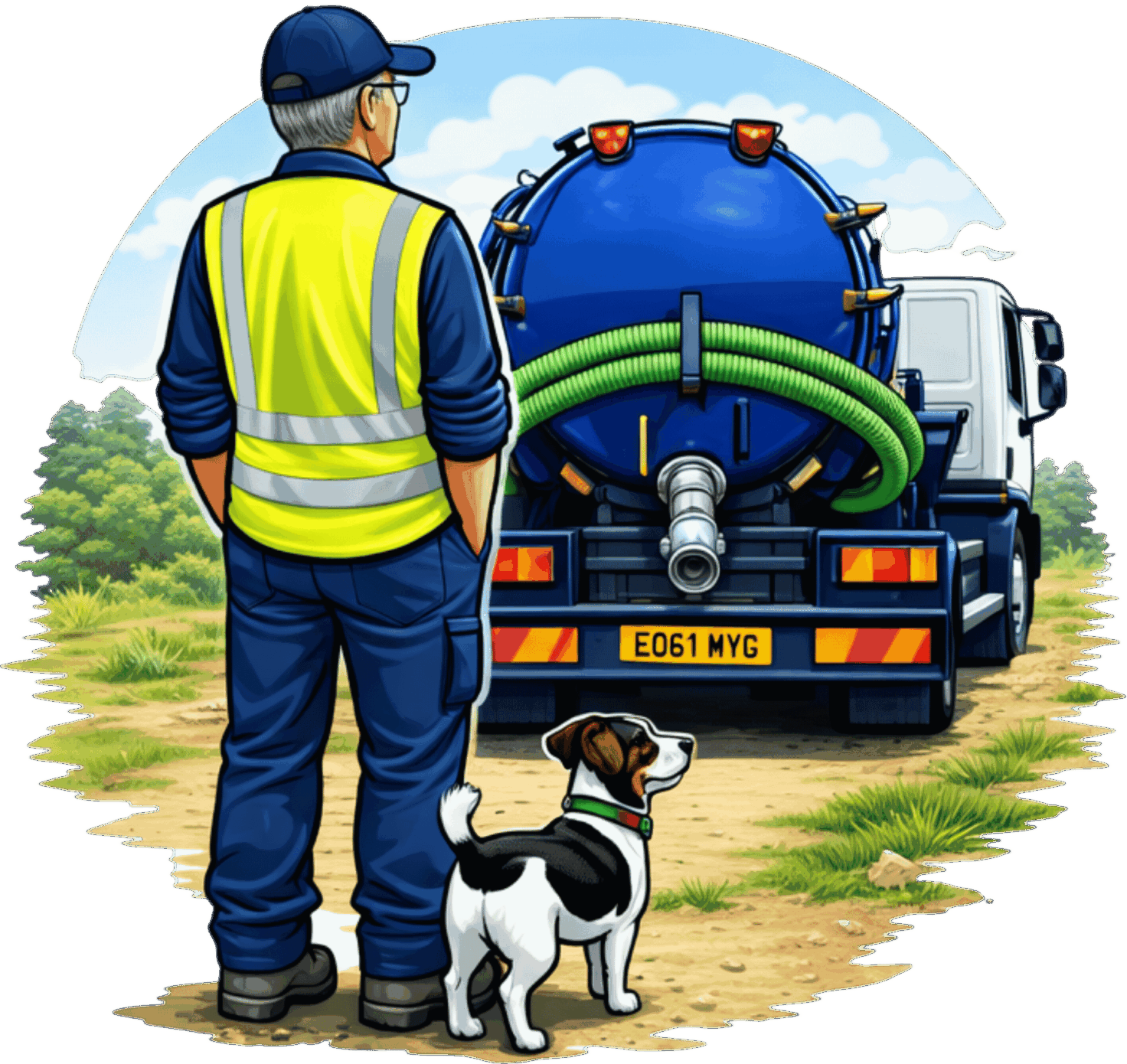

Septic Tank Emptying in Abergavenny: Costs, Signs & Advice
If you live in or around Abergavenny and rely on a septic tank, regular emptying isn’t optional; it’s essential.
Unlike properties connected to mains drainage, your system depends on routine maintenance to keep working properly and to stay compliant with Welsh regulations. When a septic tank isn’t emptied often enough, solids build up inside the tank and can eventually damage the drainage field, leading to smells, slow drains and expensive repairs.
Guidance in Wales is clear: septic tanks should be emptied regularly by a registered waste carrier, and homeowners are responsible for making sure their system does not cause pollution. That means keeping on top of emptying, watching for warning signs, and keeping basic records of maintenance.
In this guide, we’ll explain how septic tank emptying works in Abergavenny, how often you should book it, what signs to look out for, and what your legal responsibilities are as a homeowner.
How Septic Tanks Work (And Why Emptying Matters)
Understanding how your septic tank works makes it much easier to see why regular emptying is so important.
Inside the tank, wastewater separates into three layers:
- Sludge settles at the bottom (solid waste)
- Scum floats on the surface (fats and oils)
- Effluent sits in the middle (partially treated liquid)
Only the liquid layer should flow out of the tank into the drainage field for further treatment. Over time, the sludge and scum layers build up, and if they are not removed, they can start to cause serious problems within the system. For a more detailed explanation, see how septic tanks work and why maintenance is important.
Once a soakaway fails, it’s not a simple fix. In many rural areas around Abergavenny, replacing a drainage field can be expensive and sometimes difficult due to ground conditions.
Regular emptying prevents this by removing the built-up sludge before it causes damage. It’s a simple job, but it plays a crucial role in:
- keeping your system running properly
- avoiding unpleasant smells and slow drains
- preventing pollution of nearby land and water
- extending the life of your septic system
How Often Should You Empty a Septic Tank in Abergavenny?
For most homes in and around Abergavenny, the general rule is to empty your septic tank every 1 to 2 years.
Natural Resources Wales recommends emptying within this timeframe, although many homeowners choose to have their tank emptied annually for peace of mind. This is especially important for:
- larger households
- smaller or older tanks
- properties with high water usage
If you’re unsure when your tank was last emptied, it’s usually safer to arrange a service sooner rather than later by booking septic tank emptying in Abergavenny. Waiting too long increases the risk of sludge building up and causing damage to the drainage field.
Regular emptying is one of the simplest ways to avoid expensive repairs and keep your system running efficiently.
Who Is Allowed to Empty a Septic Tank?
Septic tank emptying isn’t something you can do yourself. In Wales, there is a clear legal requirement to use a registered waste carrier.
As a homeowner, you have a duty of care to make sure that any waste removed from your tank is handled and disposed of properly. This means:
- using a licensed contractor
- ensuring waste is taken to an authorised treatment facility
- keeping records of the service
Most professional companies will provide a waste transfer note after emptying your tank. It’s important to keep this, along with any service records, for at least five years.
Using a reputable local contractor also gives you peace of mind that the work is being carried out safely and in line with Welsh regulations.
Signs Your Septic Tank Needs Emptying
Even if you’re following a rough schedule, it’s important to recognise the early warning signs that your septic tank may need emptying sooner.
Slow drains and gurgling toilets
If sinks, showers or toilets are draining slowly, or you hear gurgling sounds when flushing, it can indicate the tank is becoming full or the system is under pressure.
Strong smells around the tank or garden
Unpleasant odours outside, particularly near the tank or soakaway, are often a sign that the system isn’t functioning properly and may need attention.
Wet or unusually green patches over the soakaway
If you notice soggy ground or areas of grass that are growing faster than the rest of your lawn, it could mean effluent is reaching the surface instead of draining correctly.
High liquid levels in the tank
If you check your inspection cover and see that levels are unusually high, it may indicate the tank is full or there is a blockage further along the system.
These issues should never be ignored. Small problems can quickly turn into full system failure if left too long, which is why many homeowners arrange CCTV drain surveys in Abergavenny to identify problems early.
What Happens During a Septic Tank Emptying Service?
If you’ve never had your septic tank emptied before, it’s a straightforward process carried out by a professional contractor.
Before the visit
You’ll need to make sure the tank is accessible. This means clearing any obstacles around the lid and ensuring there is enough space for a tanker to reach the property.
During the emptying
A vacuum tanker is used to remove the sludge and scum from inside the tank. This is also an opportunity for the contractor to check the condition of the system, including:
- inlet and outlet pipes
- baffles inside the tank
- any signs of damage or wear
After the service
Once the tank has been emptied, the system should return to normal operation. It’s good practice to:
- keep a record of the visit
- note the date for future reference
- monitor the drainage field over time
This is also the best time to identify any damage or long-term issues, and in some cases homeowners may need to consider septic tank installations in Abergavenny if the system is no longer fit for purpose.
Legal and Environmental Responsibilities in Wales
In Wales, septic tank maintenance isn’t just good practice – it’s a legal responsibility.
Homeowners must ensure their system is properly registered or permitted with Natural Resources Wales and that it does not cause pollution. If a septic tank leaks, overflows, or contaminates nearby land or watercourses, you may be required to repair or replace it.
For full guidance, see the general binding rules for small sewage discharges.
This is particularly important in areas like Abergavenny, where many properties sit near streams and rivers feeding into the Usk and Wye catchments. Poorly maintained systems can have a direct impact on local water quality.
You are also responsible for:
- keeping your system in good working order
- arranging regular emptying
- fixing problems as soon as they arise
- keeping records of maintenance
Practical Tips to Avoid Problems Between Emptying
Looking after your septic tank between emptying visits can make a big difference to how well it performs.
Simple habits include:
- Avoid flushing wipes, sanitary products or chemicals
- Do not pour fats, oils or grease down the sink
- Spread out water usage where possible
- Keep vehicles and heavy objects off the drainage field
- Check for early warning signs regularly
If your property regularly produces additional wastewater, for example from events, site work or temporary facilities, it’s important not to overload your septic system.
When to Consider Alternative Systems (Cesspits)
Not all properties in Abergavenny use septic tanks. Some rely on cesspits, which are storage-only systems with no treatment.
Because everything stays inside a cesspit, they need to be emptied much more frequently than septic tanks, sometimes every few weeks depending on usage.
If your property uses a cesspit, staying on top of emptying is even more important to prevent overflow and environmental risks. Regular cesspit emptying in Abergavenny is essential to keep it operating safely.
Regular septic tank emptying is one of the most important things you can do to protect your property and avoid costly problems.
For homeowners in Abergavenny, the key points are simple:
- empty your tank every 1–2 years
- use a registered waste carrier
- watch for early warning signs
- keep records of maintenance
- act quickly if problems arise
With the right care, a septic system can run reliably for many years. But when maintenance is ignored, small issues can quickly turn into expensive repairs or even full system failure.
If you’re unsure when your tank was last emptied, it’s always better to act early and stay ahead of potential problems.
Get in touch
Contact Morgan’s Septic Tank Waste for any questions regarding Septic Tank Emptying in Abergavenny
Frequently Asked Questions
How often should I empty my septic tank in Abergavenny?
Most tanks should be emptied every 1–2 years, although many homeowners choose annual emptying for peace of mind, especially in busy households.
Can I empty my own septic tank?
No. In Wales, you must use a registered waste carrier. You have a legal duty of care to ensure the waste is transported and disposed of correctly.
What happens if I don’t empty my septic tank?
Sludge will build up and eventually block the system, which can lead to slow drains, bad smells, drainage field failure and potential pollution.
How do I know if my septic tank is full?
Common signs include slow drains, gurgling toilets, strong smells, wet patches in the garden and unusually high liquid levels in the tank.
Do I need to keep records of emptying?
Yes. Natural Resources Wales recommends keeping records for at least five years, including dates, contractors and any issues identified.
Are septic tank rules different in Wales?
Yes. Systems in Wales must be registered or permitted with Natural Resources Wales, and there is a strong focus on preventing pollution and maintaining systems properly.