
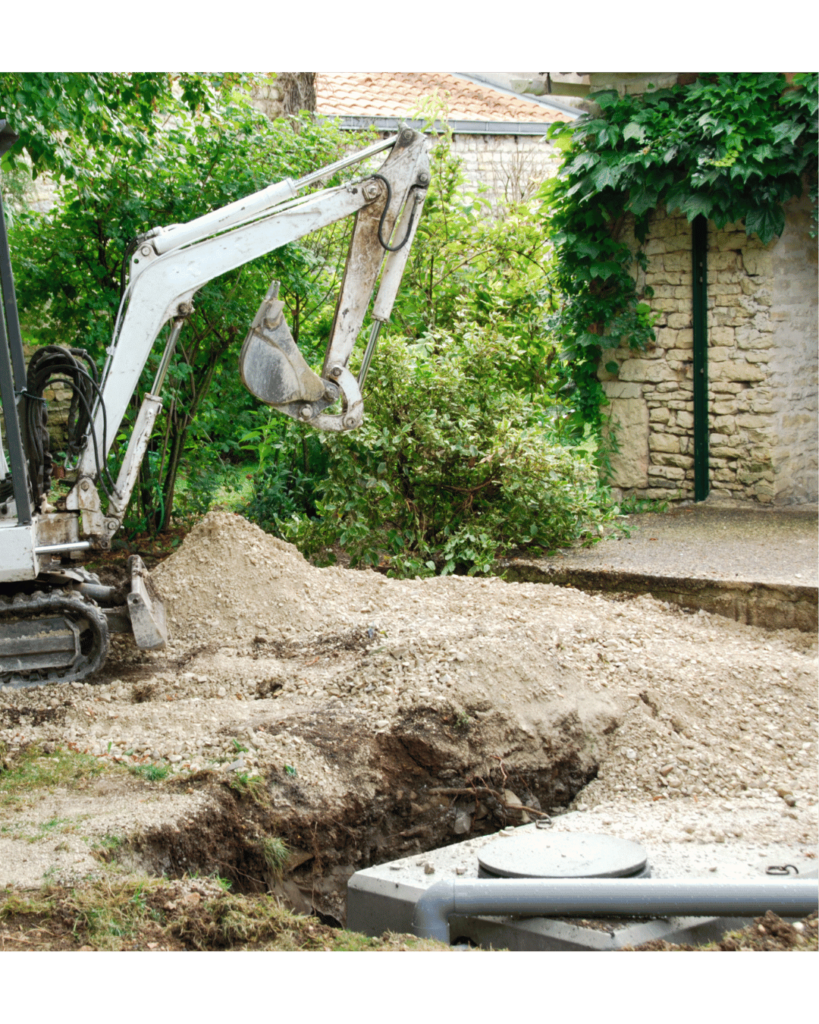
Septic Tank Installation in the Forest of Dean: What Homeowners Need to Know
Installing a septic tank in the Forest of Dean isn’t something you can approach casually. The area’s rural setting, heavy rainfall and wooded ground mean off-mains drainage has to be planned carefully to work properly and stay within the rules.
Many homeowners assume septic tank installation is simply a case of choosing a tank and digging a hole. In reality, you need to show that your land is suitable, that a drainage field will function in local soil conditions, and that the system meets Planning, Building Regulations and Environment Agency requirements.
This article explains what homeowners in the Forest of Dean need to know before installing a septic tank, from initial checks and testing through to permissions, design and long-term responsibilities.
Can You Install a Septic Tank at All?
Before you get into designs or costs, the first question is whether a septic tank is actually allowed on your site.
Current guidance requires homeowners to check for a nearby public sewer before planning any new off-mains system. If any part of your property is within around 30 metres of a public sewer and it’s reasonable to connect, you’ll normally be expected to do so instead of installing a septic tank.
In the Forest of Dean, this check is particularly important because rural layouts can be deceptive. A sewer may exist closer than expected, especially near villages or edge-of-town locations.
You also need to consider environmental sensitivity. Parts of the Forest of Dean include ancient woodland, protected habitats and private water supplies. If your proposed discharge is close to these, you may not be able to rely on the General Binding Rules alone and could need an Environment Agency permit. Establishing this early avoids wasted time and expense later.
Rules and Regulations You Must Follow
If a septic tank is permitted in principle, the installation must meet several layers of regulation.
New septic tanks and drainage fields must comply with current British Standards. The tank itself must be certified to BS EN 12566, and the drainage field must be designed and installed to BS 6297 standards. Improvised solutions or soakaway crates are not acceptable for new installations. In some cases, CCTV drain surveys are used to assess existing drainage and confirm how a new system should be designed or connected.
You must also comply with the Environment Agency’s General Binding Rules. These set out how small sewage discharges can operate without an individual permit and make it clear that septic tanks must not discharge directly into ditches, streams or rivers. All treated wastewater must discharge safely to ground through a properly designed drainage field.
On top of this, new septic tank installations require planning permission and Building Regulations approval under Part H2. This applies whether the system is serving a new build or replacing an existing arrangement. As the homeowner, responsibility for meeting these requirements ultimately sits with you.
Site Assessment and Percolation Testing
Before any equipment is chosen, the site itself needs to be assessed. This step is especially important in the Forest of Dean, where ground conditions can change significantly over short distances.
Not all plots have suitable soil or space for a drainage field. Steep slopes, shallow bedrock, high seasonal groundwater and heavily compacted ground are all common constraints locally. A proper site assessment looks at these factors early on to establish whether a septic tank is viable at all.
Percolation testing is a key part of this process. Carried out in line with British Standards, it measures how quickly water drains through the soil. From these results, the size and layout of the drainage field can be calculated to ensure treated wastewater can disperse safely without pooling or surfacing.
In high-rainfall areas, it’s also essential to confirm there is enough unsaturated soil above the water table. Without this, drainage fields can remain permanently waterlogged, leading to failure and pollution issues. Skipping or rushing this stage is one of the main reasons new systems struggle later on.
Choosing the Right System for Your Property
Once the site has been assessed, the next step is deciding which type of system is appropriate.
In some cases, a conventional septic tank with a drainage field may be suitable. However, on more constrained sites, or where higher discharge quality is needed, a packaged sewage treatment plant is often the better option. These systems treat wastewater to a higher standard and can offer more flexibility where ground conditions are challenging.
Whichever system is chosen, correct sizing is critical. Tanks must be designed to handle the maximum expected daily flow based on property size and use. Undersized systems are more likely to overload, leading to frequent maintenance issues and drainage field problems.
Designing the system around the site, rather than trying to make the site fit a particular product, is key to a reliable and compliant installation.
Installation: What the Process Involves
Once the design has been agreed and the necessary permissions are in place, the physical installation can begin.
The work must follow the manufacturer’s specifications and the approved design, including correct excavation depth, suitable backfill materials, proper ventilation and secure access covers. Deviating from these details can lead to performance problems and difficulties with sign-off.
Building Control will usually need to inspect the installation before it is fully covered, and the system should be commissioned and documented once complete. Using experienced installers who understand local conditions helps ensure everything is done correctly and reduces the risk of issues emerging after the system is in use.
Aftercare, Maintenance and Ongoing Duties
Installing a septic tank isn’t the end of the process. Once the system is in use, homeowners are responsible for keeping it compliant and working properly.
This includes arranging regular inspections and septic tank emptying, based on the size of the tank and how the property is used. Keeping basic records of desludging, servicing and any repairs is also important, as this information may be needed if the system is inspected or if the property is sold.
The same General Binding Rules that apply at installation continue to apply throughout the life of the system. If a septic tank leaks, overflows or causes pollution, the responsibility sits with the homeowner, not the installer.
Working With Local Specialists in the Forest of Dean
Local knowledge makes a real difference when it comes to septic tank installations and long-term care.
Ground conditions, rainfall levels and environmental constraints can vary widely across the Forest of Dean, even between neighbouring properties. Working with specialists who are familiar with the area helps ensure systems are designed appropriately and issues are spotted early.
Ongoing support from a local provider also makes routine maintenance easier. Having a company that understands your site and system means inspections, emptying and advice can be handled efficiently, helping your septic tank perform reliably for years to come.
Installing a septic tank in the Forest of Dean is a regulated process that needs proper planning, testing and design. Local ground conditions, high rainfall and environmental sensitivity mean it’s not something that can be rushed or treated as a standard installation.
By checking whether a septic tank is allowed, carrying out proper site assessments and percolation testing, and following the relevant Planning, Building Regulations and Environment Agency rules, homeowners can avoid costly mistakes and future compliance issues.
A well-designed and properly installed system, supported by regular maintenance, should work reliably for many years. Taking the time to get it right from the start is always easier than fixing problems later.
A Note on Local Support
Many homeowners find that regular maintenance is easier when they work with a local provider who understands the area.
Morgan’s Septic Tank Waste specialises in septic tank emptying and ongoing care for rural properties across the Forest of Dean. Using a licensed, local service helps ensure systems are maintained properly, waste is handled legally and potential issues are spotted early.
Get In touch
Contact Morgan’s Septic Tank Waste for Septic Tank Installations in Forest of Dean
Frequently Asked Questions About Septic Tank Problems
Do I need planning permission to install a septic tank in the Forest of Dean?
In most cases, yes. New septic tank installations usually require planning permission and Building Regulations approval because they are a controlled drainage system and a material change to the property’s drainage.
Can I install a septic tank if there is a public sewer nearby?
Not usually. If any part of your property is within around 30 metres of a public sewer and connection is reasonably possible, you are normally expected to connect to it instead of installing a new septic tank.
Are septic tanks allowed to discharge into streams or ditches?
No. Under the General Binding Rules, septic tanks must not discharge directly into surface water. Treated wastewater must discharge to ground through a properly designed drainage field.
What is a percolation test and why is it needed?
A percolation test measures how quickly water drains through the soil. The results are used to determine whether a drainage field will work and how large it needs to be. This is a legal requirement for new installations.
When is a sewage treatment plant needed instead of a septic tank?
If ground conditions are poor, space is limited, or higher discharge quality is required, a sewage treatment plant may be more suitable. These systems treat wastewater to a higher standard and can sometimes be used where septic tanks are not permitted.
Who is responsible if a septic tank causes pollution?
The homeowner is responsible. If a system leaks, overflows or contaminates land or water, the owner can be required to carry out remedial work or upgrades, regardless of who installed the system.