
Septic Tank Problems Homeowners Shouldn’t Ignore in 2026
Septic tanks rarely fail without warning. The problem is that many of the early signs are easy to ignore or put down to minor plumbing issues.
Slow drains, strange smells or the occasional gurgle might not seem urgent at first, but they often signal deeper problems within the septic system. Left unchecked, these issues can lead to sewage backing up into the home, damage to the drainage field and costly repairs.
For homeowners with a septic tank, recognising the warning signs early is the best way to avoid disruption, pollution and unexpected expense. This guide covers the septic tank problems you shouldn’t ignore and explains when it’s time to take action.
Early Warning Signs Inside the Home
The earliest signs of septic tank trouble usually appear indoors.
Persistently slow drains across sinks, showers and toilets are a common indicator that the system is under strain. When multiple fixtures drain poorly at the same time, it’s often a sign that wastewater has nowhere to go because the tank, outlet or drainage field is restricted.
Gurgling sounds from plugholes or toilets can also be a warning sign. These noises are caused by air being displaced as wastewater struggles to move through the system, often due to a blockage or a full tank.
While a single slow drain may point to a local plumbing issue, problems affecting the whole house should never be ignored. In many cases, they are the first indication that the septic system needs attention.
Outdoor Red Flags Around the Tank and Drainfield
Problems with a septic tank don’t always stay hidden underground. In many cases, the ground above the system starts to show signs that something isn’t right.
Foul or sewage-like smells around the tank, inspection covers or drainage field usually mean wastewater is escaping before it has been properly treated. This can pose a health risk and is often a sign that the system is overloaded or failing.
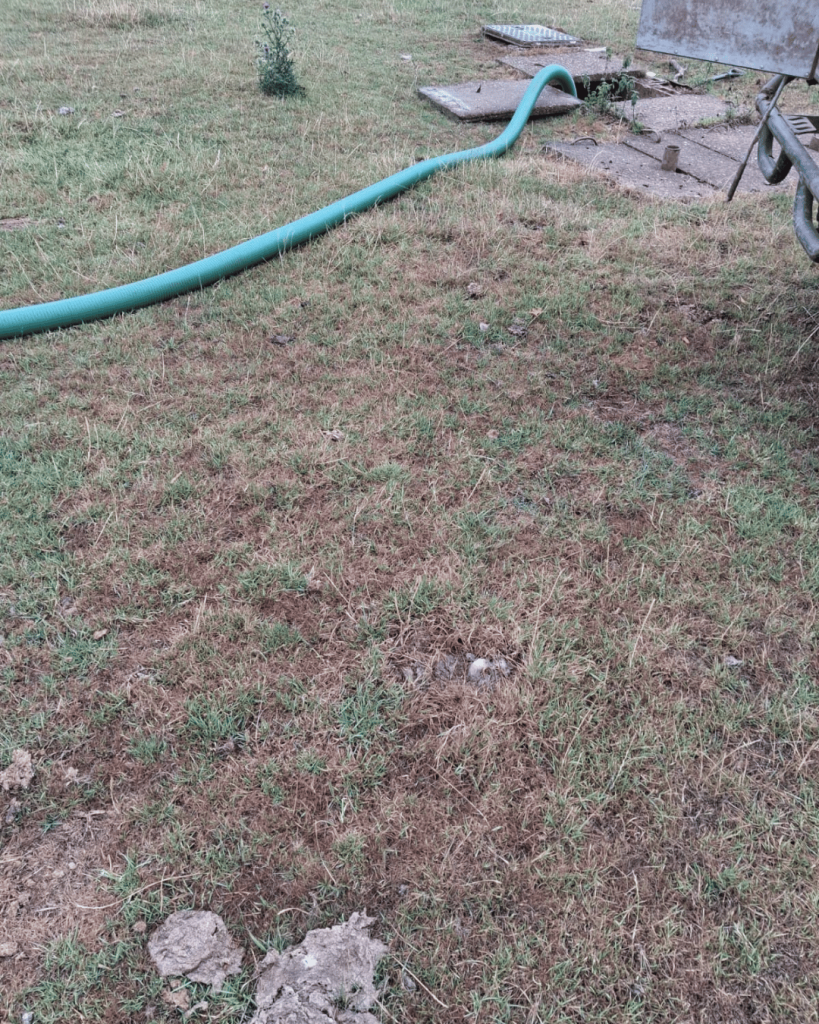
Another common warning sign is wet or spongy ground, particularly after dry weather. Standing water or soggy patches over the drainage field suggest that effluent is no longer soaking away into the soil as it should. In some cases, the grass above the area may appear unusually green and grow faster than the surrounding lawn.
These symptoms often point to a saturated or clogged drainage field, which is one of the most serious septic tank problems and should be dealt with quickly.
Sewage Backing Up Into the Home
Sewage backing up into the property is an emergency and should never be ignored.
Signs include toilets that won’t flush properly, wastewater rising in showers or floor drains, or grey or brown water backing up into sinks and baths. These issues indicate that the system is overwhelmed and has reached its limit.
Backups are commonly caused by a tank that hasn’t been emptied on time, blocked outlet pipes or a failing drainage field. Continuing to use the system in this condition can lead to contamination, property damage and expensive repairs.
If sewage is backing up indoors, the safest option is to stop using the system where possible and contact a professional immediately to assess and resolve the problem.
Structural and Component Failures
Some of the most serious septic tank problems aren’t immediately visible.
Cracks in the tank, loose joints or movement caused by ground shifting can allow groundwater to leak into the system or sewage to escape before it’s properly treated. Both situations put extra strain on the system and increase the risk of pollution.
Internal components can also fail. Broken baffles or dip pipes allow solids to pass out of the tank and into the drainage field, where they quickly cause blockages. Tree roots invading pipework can have the same effect, damaging pipes and restricting flow.
These types of faults often develop slowly but lead to long-term system failure if they’re not identified and fixed early.
Misuse, Overloading and Poor Maintenance
Everyday habits play a big role in septic tank problems.
Flushing wipes, sanitary products or nappies can cause blockages inside the tank and pipework. Pouring fats, oils and grease down the sink encourages build-up and reduces the system’s ability to function properly.
Excessive water use can also overwhelm a septic system. Long showers, frequent laundry loads or allowing roof or hot tub water to enter the system can stir up solids and push them into the drainage field.
Skipping regular emptying is another common issue. When sludge and scum aren’t removed on time, they reach the outlet and flow into the drainage field, often causing permanent damage. Good maintenance is one of the simplest ways to avoid serious septic tank problems.
Why Ignoring These Problems Is Risky
Septic tank problems rarely stay small.
What starts as a slow drain or an occasional smell can quickly develop into sewage backing up into the home or wastewater surfacing in the garden. Once the drainage field is damaged, repairs become far more complex and expensive.
There are also wider risks to consider. Failing septic systems can contaminate groundwater, nearby watercourses and surrounding land. This isn’t just an environmental concern, it can also lead to enforcement action if pollution occurs.
Ignoring known issues often results in higher costs later, whether that’s emergency callouts, major repairs or full system replacement. Acting early is almost always the cheaper and safer option.
What Homeowners Should Do Next
If you notice any of these warning signs, the best step is to act quickly.
A professional inspection can identify whether the issue is due to a full tank, damaged components or problems with the drainage field. This typically involves checking sludge levels, inspecting baffles and assessing how the system is discharging.
It’s also important to keep good maintenance records and follow a sensible emptying schedule based on your tank size and household use. Diverting rainwater and avoiding excessive water use can also help protect the system.
What homeowners shouldn’t do is rely on chemical additives or ignore the problem in the hope it resolves itself. These approaches rarely fix the root cause and can sometimes make the situation worse.
Finally....
Septic tank problems almost always give warning signs. The key is recognising them early and taking action before they turn into major failures.
Slow drains, bad smells, wet ground or sewage backing up into the home aren’t issues that resolve on their own. Left unchecked, they can lead to environmental damage, costly repairs and serious disruption to daily life.
For homeowners with a septic system, regular maintenance and early intervention are the best protection. Paying attention to the signs and dealing with problems promptly helps keep the system working properly and avoids unnecessary expense in the long run.
Get In touch
Contact Morgan’s Septic Tank Waste to Discuss all things Septic Tanks & problems
Frequently Asked Questions About Septic Tank Problems
What are the most common signs of septic tank failure?
The most common signs include slow drains throughout the house, gurgling pipes, bad smells, wet or soggy ground near the drainage field, and sewage backing up into sinks, toilets or showers. These usually indicate the system is overloaded or failing.
Are slow drains always a septic tank problem?
Not always. A single slow sink or toilet can be a local plumbing blockage. However, if multiple fixtures are draining slowly at the same time, it often points to an issue with the septic tank, outlet pipe or drainage field and should be checked.
Why does the grass over my septic tank look greener?
Unusually green or fast-growing grass over the drainage field often means wastewater is reaching the surface instead of soaking away properly. This is usually a sign of a saturated or failing drainfield and shouldn’t be ignored.
What should I do if sewage backs up into my home?
Sewage backing up indoors is an emergency. You should stop using water where possible and contact a professional immediately. Continuing to use the system can worsen contamination and increase damage to the system and property.
Can poor maintenance cause septic tank problems?
Yes. Skipping regular emptying allows sludge and scum to build up and flow into the drainage field, which is one of the leading causes of septic system failure. Good maintenance is essential to avoid expensive repairs.
Do septic tank problems get worse if ignored?
In most cases, yes. Septic tank issues rarely resolve on their own. Delaying action often leads to more serious damage, higher repair costs and potential environmental or legal problems.