
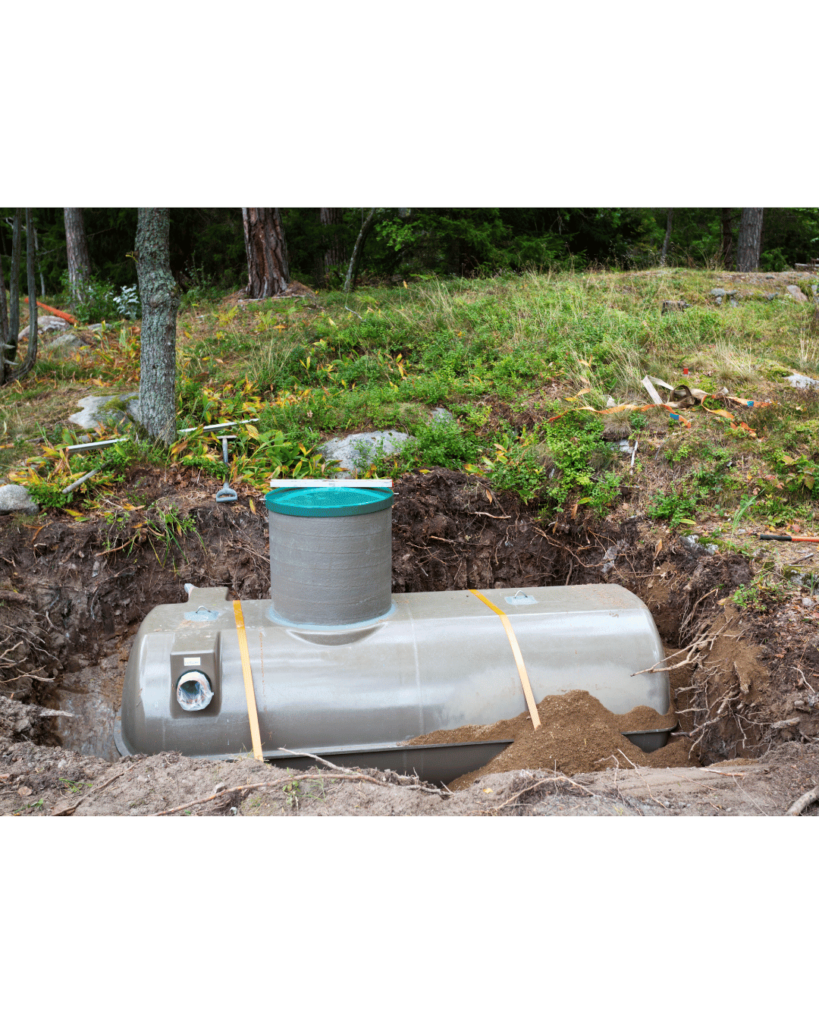
Common Septic Tank Problems in Monmouth and How to Prevent Them
Septic tanks are common across rural Monmouthshire, particularly in properties that sit beyond the reach of mains drainage. When they’re working properly, most homeowners barely think about them. But when problems start, they tend to escalate quickly.
In this part of Wales, issues are often linked to three things: not emptying the tank often enough, overloading it with too much water or the wrong materials, and drainage fields struggling in wet ground near local rivers.
If you’re unsure how your system should operate under Welsh rules, it’s worth reading our guide to Septic Tanks in Monmouth: Installation, Maintenance and Local Regulations Explained, which covers how systems are meant to be set up and maintained.
Below are the most common warning signs Monmouth homeowners should watch for — and how to stop small issues turning into pollution or full soakaway failure.
Slow Drains, Gurgling and Sewage Backups
What it looks like
One of the earliest warning signs of septic trouble is slow drainage throughout the house. You might notice sinks emptying sluggishly, showers pooling around your feet, or toilets making a bubbling or glugging sound when flushed.
In more serious cases, wastewater may start backing up into low-level drains, particularly after heavy water use. These symptoms are rarely just a simple internal blockage. More often, they point to a tank that hasn’t been emptied, a restricted outlet pipe, or a drainage field that is becoming saturated.
How to prevent it
The simplest and most effective prevention is regular pumping. Natural Resources Wales advises that septic tanks should usually be emptied every 12–24 months, depending on use. Leaving it until there’s a visible problem significantly increases the risk of solids entering and damaging the drainage field.
Arranging routine septic tank emptying in Monmouth helps prevent sludge build-up and keeps the system operating as intended.
It’s also important to manage water use. Fix leaking taps and toilets promptly, avoid running multiple water-heavy appliances at once, and spread out washing machine and dishwasher loads. Overloading the system with water in a short period can push solids into the soakaway and accelerate failure.
Smells, Wet Patches and Unusually Lush Grass
What it looks like
If you notice persistent sewage smells around the tank or garden, or patches of ground that remain wet long after rain has cleared, the drainage field may be struggling.
Another common sign is grass that appears greener and grows faster over a particular area. While it might seem harmless at first, this often indicates that effluent is surfacing instead of dispersing safely underground.
In Monmouth’s wet climate, especially in properties near the River Wye or Monnow, saturated ground can quickly turn a minor issue into a full soakaway failure.
How to prevent it
Drainage fields rely on unsaturated soil to function properly. Roof gutters and surface-water drains should never be connected into the septic system, as extra water overwhelms the soakaway. Avoid parking vehicles or placing heavy structures over the drainage area, as compacted soil cannot absorb wastewater effectively.
Tree roots are another common cause of localised failures. If you suspect root intrusion or damaged pipework, a professional CCTV drain survey in Monmouth can help identify hidden issues before they worsen.
Keeping the system emptied regularly and protecting the soakaway area are the most effective ways to prevent surface discharge and potential pollution.
Drainage Field / Soakaway Failure
Many so-called “septic tank problems” are actually drainage field problems.
If effluent starts surfacing in the garden, strong smells linger, or toilets flush slowly despite the tank being emptied, the soakaway may be saturated or clogged. In more serious cases, wastewater can find its way into nearby ditches or streams.
In Wales, systems that discharge directly to surface water rather than through a compliant drainage field are not permitted. If a system in Monmouth is found to be polluting, Natural Resources Wales can require upgrades or replacement.
How to prevent it
Prevention comes down to maintenance and compliance. Sticking to a regular emptying schedule reduces the risk of solids reaching the soakaway. Keeping accurate maintenance records is also important, especially if the property is ever sold.
If your system currently discharges to a brook, land drain or other surface water route, it’s worth addressing the issue before it becomes a regulatory problem. In many cases, this means installing a compliant drainage field or upgrading to a modern treatment plant.
Where a soakaway has already failed or is beyond repair, a professional septic tank installation in Monmouth may be necessary to bring the system back into compliance and prevent further pollution.
Misuse: What You Put Down the Drain
Common causes
A surprising number of septic tank failures start inside the house.
Flushing wipes, nappies, sanitary products, cotton buds or pouring fats and oils down the sink all contribute to blockages and scum build-up. Over time, these materials can clog outlet pipes and push solids into the drainage field, shortening its lifespan.
Harsh chemicals and solvents can also disrupt the natural bacteria that break down waste in the tank, reducing its effectiveness.
How to prevent it
Natural Resources Wales recommends following simple “golden rules”: only flush human waste and toilet paper, use cleaning products sparingly, and stick to septic-safe brands where possible.
Water usage also matters. Running full loads in washing machines and dishwashers, installing water-saving devices and avoiding sudden high volumes of water all reduce stress on the system.
In some cases, additional waste from events, renovations or temporary facilities can overwhelm domestic systems. Using dedicated portable toilet waste services in Monmouth helps prevent unnecessary strain on your septic tank.
Small habits inside the home often determine whether a septic system lasts decades or fails prematurely.
Compliance Problems in Monmouth
What can go wrong
In Wales, septic tank compliance works slightly differently than in England. All discharges to ground or surface water must either be registered with Natural Resources Wales or covered by a valid permit.
One of the most common compliance issues in Monmouth is older systems that discharge directly into a ditch, stream or land drain. In Wales, direct septic discharges to surface water are not allowed. If pollution is identified, homeowners are usually required to upgrade, redirect the discharge through a compliant drainage field, or replace the tank with a treatment plant.
Properties located near protected sites, private water supplies or river catchments such as the Wye may face additional scrutiny. In these areas, even older systems can be required to improve if there is a risk to water quality.
How to prevent it
The first step is confirming that your system is registered correctly and that the discharge route is legal. If you’re unsure, it’s better to check proactively rather than waiting for enforcement action or a property sale to uncover problems.
Regular maintenance and record-keeping are part of compliance. Keeping invoices and inspection notes shows that the system is being operated responsibly.
What If Your Property Uses a Cesspit?
Some rural homes around Monmouth rely on cesspits rather than septic tanks.
Unlike septic systems, cesspits do not treat wastewater at all. They simply store everything that enters the system until it is removed. This means they fill much more quickly and require far more frequent pumping to prevent overflow.
Because cesspits hold 100% of household waste, the risk of pollution is higher if emptying is delayed. Regular cesspit emptying in Monmouth is essential to keep the system safe, compliant and functioning properly.
In some situations, homeowners may consider upgrading from a cesspit to a septic tank or treatment plant, particularly if regulations or long-term running costs make storage-only systems impractical.
Most septic tank problems in Monmouth are preventable.
Slow drains, smells, wet patches and backups rarely happen overnight. They usually start with missed emptying appointments, excess water use or misuse inside the home. In Monmouthshire’s wet conditions, especially near local rivers and protected landscapes, small issues can escalate quickly if ignored.
Regular pumping, sensible water use, protecting the drainage field and making sure your system complies with Welsh rules are the foundations of long-term reliability. Acting early is almost always cheaper than replacing a failed soakaway or upgrading a non-compliant discharge.
With the right maintenance and attention, a septic tank should function safely for many years without becoming a pollution risk or legal headache.
Get In touch
Contact Morgan’s Septic Tank Waste for any questions regarding septic tanks in Monmouth
Frequently Asked Questions About Septic Tank Problems
How often should I empty my septic tank in Monmouth?
Natural Resources Wales generally advises emptying every 12–24 months, depending on tank size and household usage. Larger families or smaller tanks may need more frequent servicing.
What are the first signs of septic tank failure?
Common early signs include slow drains throughout the house, gurgling toilets, sewage smells outside and wet or unusually green grass over the drainage field.
Can my septic tank discharge into a stream in Wales?
No. In Wales, septic tanks are not permitted to discharge directly into surface water. If your system does, you may need to install a compliant drainage field or upgrade to a treatment plant.
Why is my garden wet above the soakaway?
Persistent wet patches or pooling water often indicate a saturated or clogged drainage field. This can be caused by infrequent emptying, excessive water use or soil compaction.
Do I need to register my septic tank in Monmouth?
Yes. Most private sewage systems in Wales must be registered with Natural Resources Wales, even if they do not require a full environmental permit.
When should I call a professional?
If you notice repeated blockages, sewage backing up indoors, strong odours or surface discharge in the garden, you should arrange an inspection promptly to prevent further damage.