
Signs You Need a New Septic Tank (and When to Replace Your Old System)
Septic tanks are built to last, but not forever. Over the years, even the best systems can begin to fail — whether from wear and tear, ground movement, or outdated designs that no longer meet modern standards. When that happens, the signs can range from slow-draining sinks to foul smells and soggy ground.
Knowing when a septic tank needs replacing rather than repairing is important for three reasons: it protects your property, prevents pollution, and ensures you stay compliant with UK regulations. Unfortunately, many homeowners don’t realise their system is on its last legs until problems become severe — or expensive.
This guide explains the main warning signs that your septic tank may need replacing, how to recognise them early, and what steps to take next. Whether your system is decades old or simply underperforming, understanding these signs can help you make an informed, cost-effective decision about the future of your drainage system.
Common Signs Your Septic Tank May Need Replacing
Most septic tanks will operate efficiently for 20–30 years with regular maintenance. But once the structure begins to deteriorate or the system stops processing waste properly, repairs often only delay the inevitable.
If you’re noticing any of the following issues, it may be time to think about replacement instead of another round of fixes.
1. Persistent System Failure and Drainage Issues
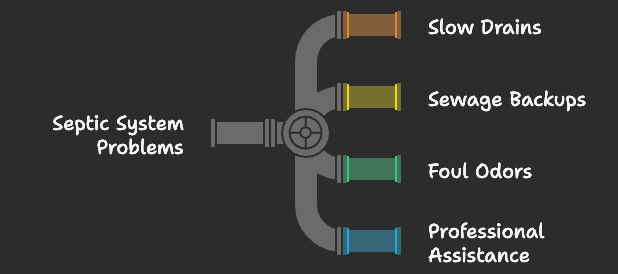
If your drains have become consistently slow, you hear gurgling sounds from your pipes, or you’re experiencing frequent sewage backups, it’s a strong sign that your septic tank isn’t functioning correctly. These symptoms can indicate internal damage, blockages, or a failed soakaway system.
When these problems return even after professional emptying and servicing, it usually means the tank has reached the end of its working life.
2. Visible Sewage, Standing Water, or Foul Odours
Pools of water, damp areas, or unpleasant smells around your garden — particularly near the soakaway or tank area — are serious warning signs. They suggest wastewater is escaping the system due to structural failure or pipe collapse.
If sewage begins surfacing or drains overflow after rainfall, your tank could be leaking or completely overwhelmed. At this stage, ongoing repairs won’t solve the problem — a replacement system will likely be the safest and most compliant option.
3. Patches of Unusually Green Grass or Water Contamination
While lush green grass might seem harmless, if it’s concentrated above your soakaway or septic tank, it can mean that wastewater is leaking into the ground and fertilising the soil.
This can quickly become a bigger issue — with contaminated water entering nearby streams, ditches, or wells, creating health and environmental risks.
If you’ve noticed this or have recurring damp patches in dry weather, it’s time to have your tank professionally assessed to rule out leakage or structural damage.
When Repairs Aren’t Enough
Many homeowners start by assuming a septic issue can be solved with a quick pump or repair — and sometimes that’s true. However, when the same problems keep coming back, it’s usually a sign of something more serious happening below ground.
Septic systems rely on the balance between the tank, pipework, and soakaway. Once one part of that structure begins to fail, patching it up often only delays the inevitable. If you’ve already had your tank emptied and serviced but are still dealing with slow drainage, sewage smells, or flooding after heavy rain, it may mean the tank itself has deteriorated or the soakaway has failed.
In some cases, internal cracks or corrosion can make a tank unsafe or beyond repair. While it might be tempting to keep fixing issues as they arise, this can end up costing more over time — both in repair bills and potential environmental fines.
A professional inspection is the best way to confirm whether your system can be salvaged or if replacement is the smarter, longer-term investment. A drainage engineer (Like Morgan’s Septic Tank Waste!) can use tools like CCTV drain surveys to assess the condition of your tank, pipework, and soakaway before advising the most practical solution.
When Your Septic Tank No Longer Meets Regulations
Even if your tank seems to be working fine, it might still need replacing to comply with current UK environmental regulations. The General Binding Rules, introduced by the Environment Agency, set clear standards for how domestic wastewater systems must operate.
One of the biggest changes was the ban on septic tanks discharging directly into surface water such as rivers, ditches, or streams. If your system still does this, it’s considered non-compliant and must be either upgraded or replaced with a modern treatment unit that filters wastewater safely.
Older tanks may also fail to meet today’s discharge and pollution control requirements, especially those installed before 2020. In some cases, retrofitting new components simply isn’t possible — meaning a full replacement is the only way to meet legal standards.
You can learn more about current septic tank regulations from industry guidance.
It’s worth noting that non-compliance doesn’t just risk fines; it can affect property sales too. Solicitors now routinely check that rural and off-mains properties meet the latest drainage standards before contracts are signed.
If you’re unsure whether your system meets these rules, it’s wise to book an inspection with a licensed drainage specialist. A professional assessment ensures your property remains compliant, environmentally safe, and ready for the future.
Site Changes or Increased Occupancy
Your septic tank was designed to handle a specific amount of wastewater. If that changes — for example, you’ve added new bathrooms, extended your home, or there are simply more people living in the property — your system may no longer be large enough to cope.
When a tank is undersized for the household, it fills up faster and struggles to process waste efficiently. That often leads to slow draining sinks, gurgling pipes, and more frequent emptying. In some cases, overloading can cause damage to the soakaway or force untreated effluent into the ground.
Other physical changes to your property can also affect the system. Tree roots growing near pipework, soil movement, or landscaping projects can crack or shift old tanks out of alignment. Once the tank’s structure or drainage field is compromised, it may no longer meet environmental standards — and replacement becomes the safest option.
If you’re planning an extension or have recently increased your household size, it’s worth having your system assessed to check that your tank’s capacity still meets current usage. A drainage engineer can confirm whether upgrading or installing a new unit would be more cost-effective than repeated maintenance.
Understanding Replacement and Installation Options
If an inspection confirms that your current septic tank can’t be repaired or upgraded, the next step is planning a new installation that’s compliant, efficient, and built to last.
Modern systems are far more reliable and environmentally friendly than older concrete or steel tanks. Depending on your property and local ground conditions, you may need:
A new septic tank – suitable for properties with the right soil type and a functioning soakaway.
A packaged sewage treatment plant – ideal for properties where direct discharge into surface water is needed to meet UK General Binding Rules.
A conversion unit or partial system upgrade – where your existing setup can be modernised rather than replaced entirely.
The installation process typically includes:
Site inspection and survey – assessing ground conditions and wastewater output.
System design and approval – ensuring compliance with local regulations and discharge standards.
Safe removal of the old tank – handled by professionals to prevent contamination.
Installation of the new tank or treatment system – including new connections and soakaway where required.
Testing and maintenance setup – to keep your system running efficiently long-term.
At Morgan’s Septic Tank Waste, we provide professional septic tank installations across Hereford, Monmouth, South Wales, and the surrounding areas. Our team handles everything from inspection and design to installation and compliance — ensuring your new system meets current regulations and performs reliably for years to come.
Modern replacements not only protect your property and the environment but also give you complete peace of mind that your drainage system is safe, compliant, and built for the future.
Why Professional Assessment Matters
When it comes to septic systems, guessing rarely ends well. Problems that seem minor on the surface — like a slow drain or an occasional smell — can often point to deeper structural issues underground. Without a proper assessment, it’s impossible to know whether repair or full replacement is the right call.
That’s why it’s essential to get a qualified drainage engineer to inspect your system. They’ll carry out a full evaluation, often using tools such as CCTV drain surveys, to assess the internal condition of the tank, pipework, and soakaway. From there, you’ll receive a clear, evidence-based recommendation on the best next steps.
A professional assessment also ensures any replacement system is fully compliant with UK environmental regulations, helping you avoid legal or financial penalties for non-compliance. It gives you confidence that your investment in a new tank is justified, properly designed, and correctly installed.
Recognising When It’s Time to Replace Your Septic Tank
well-maintained septic system can last for decades, but no tank lasts forever. If you’re dealing with recurring drainage issues, foul smells, pooling water, or an outdated system that no longer meets modern regulations, these are clear signs it’s time to take action.
Replacing your septic tank isn’t just about avoiding inconvenience — it’s about protecting your home, your land, and the environment. With a professional inspection and the right installation, you can ensure your new system is efficient, compliant, and built for the future.
Whether you need a full septic tank replacement, a new installation, or an expert CCTV drain survey to assess your system, Morgan’s Septic Tank Waste is here to help.
Get In touch
Contact Morgan’s Septic Tank Waste today for a free quote or to schedule your service.
Frequently Asked Questions About CCTV Drain Surveys
How long does a septic tank last?
Most septic tanks last between 20 and 30 years, depending on the material, usage, and how well they’re maintained. Regular emptying and servicing can extend lifespan, but if your system is older than 25 years, it’s worth booking a professional inspection to assess its condition.
What are the main signs that my septic tank needs replacing?
Warning signs include slow-draining sinks or toilets, foul smells, standing water in the garden, or sewage backups inside your home. You might also notice unusually green or fast-growing grass above the tank or soakaway. These often point to leaks, system failure, or overflow issues.
Can a damaged septic tank be repaired, or do I need a new one?
Minor issues — such as small cracks or blockages — can sometimes be repaired. However, if problems keep returning or the tank is structurally damaged, replacing it is often the safest and most cost-effective long-term solution. A professional assessment (often with a CCTV drain survey) can confirm which option is best.
What happens if my septic tank doesn’t meet current regulations?
If your system discharges directly into surface water or fails to meet the UK General Binding Rules, it must be replaced or upgraded. Non-compliant systems can cause pollution and may prevent you from selling your property. Installing a modern, compliant unit ensures environmental safety and legal peace of mind.
How much does a new septic tank installation cost?
The cost depends on several factors — including the size of the property, soil type, and whether you need a soakaway or treatment plant. On average, UK septic tank installations range from £3,000 to £7,000, but it’s best to request a tailored quote based on your site conditions.
Can I continue using my septic tank while it’s failing?
It’s not recommended. Continuing to use a failing tank can lead to contamination, property damage, or complete system collapse. If you suspect a problem, contact a drainage engineer immediately for an inspection.